

Antonio Stradivari 1711 "Marquis de Riviere"
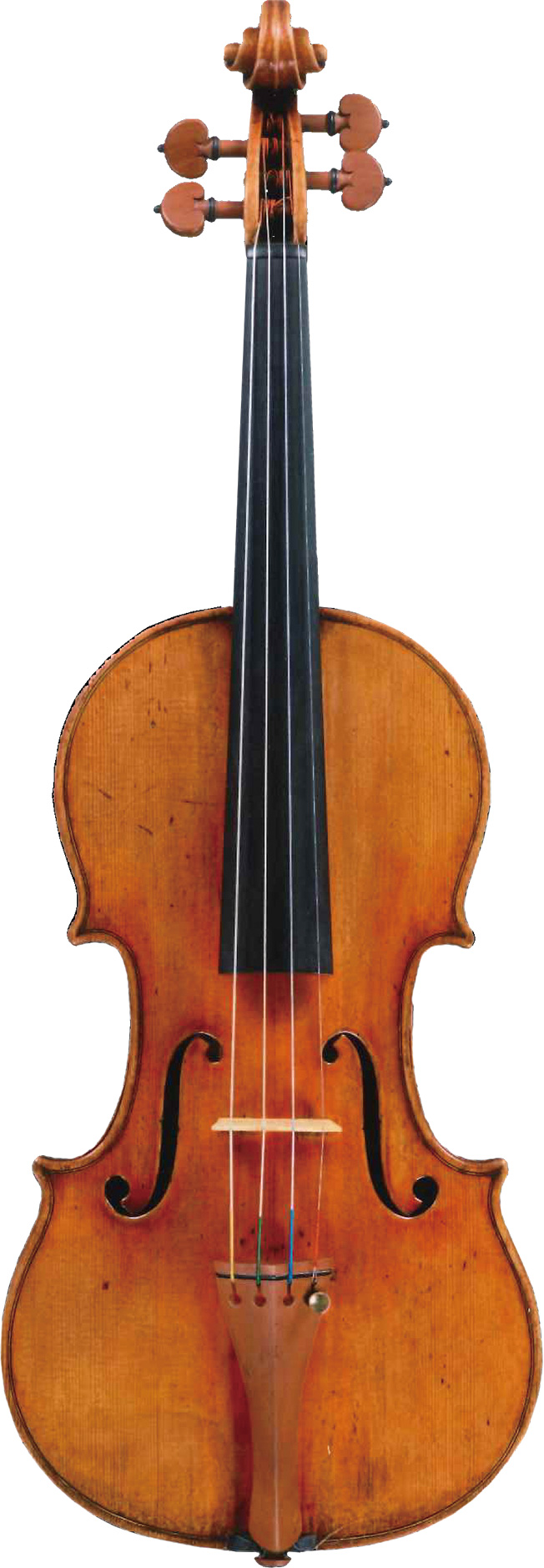
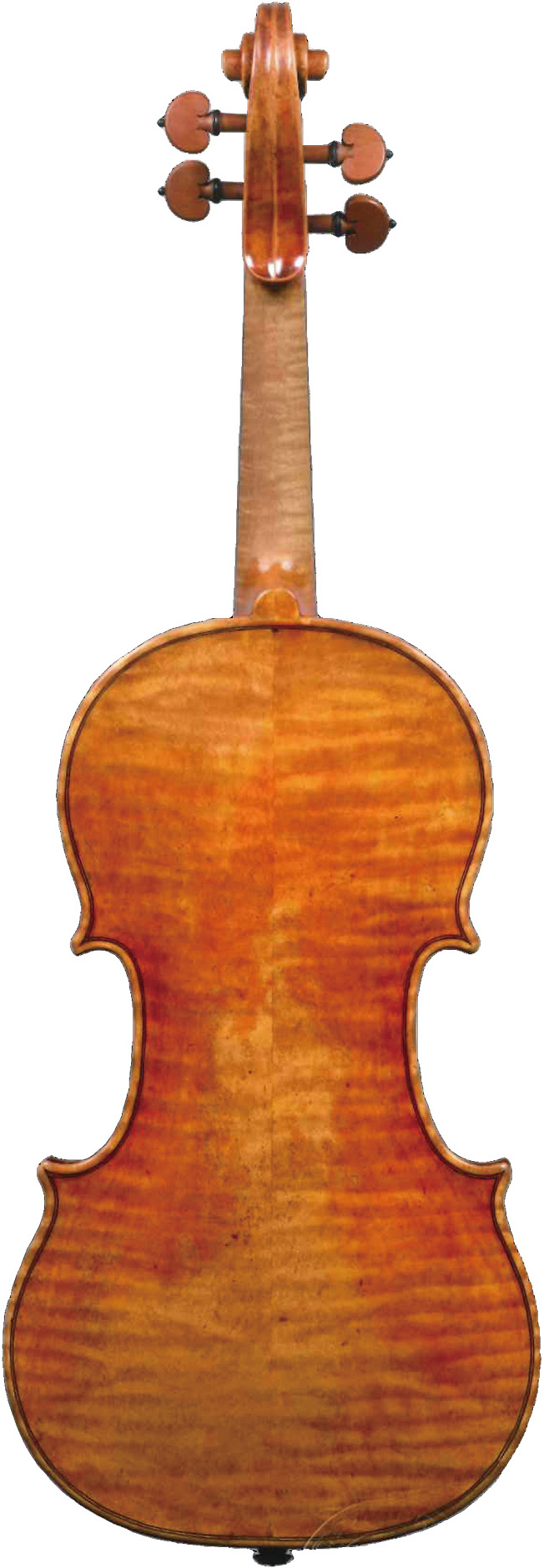
The "Marquis de Rivière" is a beautiful violin bearing an original 1711 label, and is indispensable to any discussion of Stradivari's "Golden Period." Its body displays characteristics that vividly embody the pinnacle of the master Antonio Stradivari's art.
The back plate consists of two pieces of maple with a beautifully horizontal slab-cut figure, and the ribs are made from similar wood. The top is spruce with fine grain at the center that broadens toward the flanks. Tree-ring analysis has revealed a remarkably close similarity to those of the 1707–1709 masterpieces "La Pucelle" and "Viotti." The maple scroll, which is in perfect harmony with the body, and the orange-red varnish over a golden ground, are reminiscent of the beauty found in the 1709 "Viotti."
The instrument takes its name from a senior French statesman who also served as ambassador and politician: the Marquis de Rivière, Charles-François Riffardeau (1763–1828).
Tracing its provenance: in 1870, it is confirmed to have been owned by a Monsieur Bouclot of Provins — himself a serious collector who also owned the 1716 "Cessole." In 1902 it passed through Caressa & Français to Marcel Bret, a capable amateur violinist in Paris.
It should be noted that instruments of the same name appear in the literature of Doring and others; however, those refer to a different instrument made around 1718 with a one-piece back, and are entirely unrelated to the present violin. The instrument is currently held in the care of a Japanese collector.