

Antonio Stradivari 1726 "Greville, Adams, Kreisler"
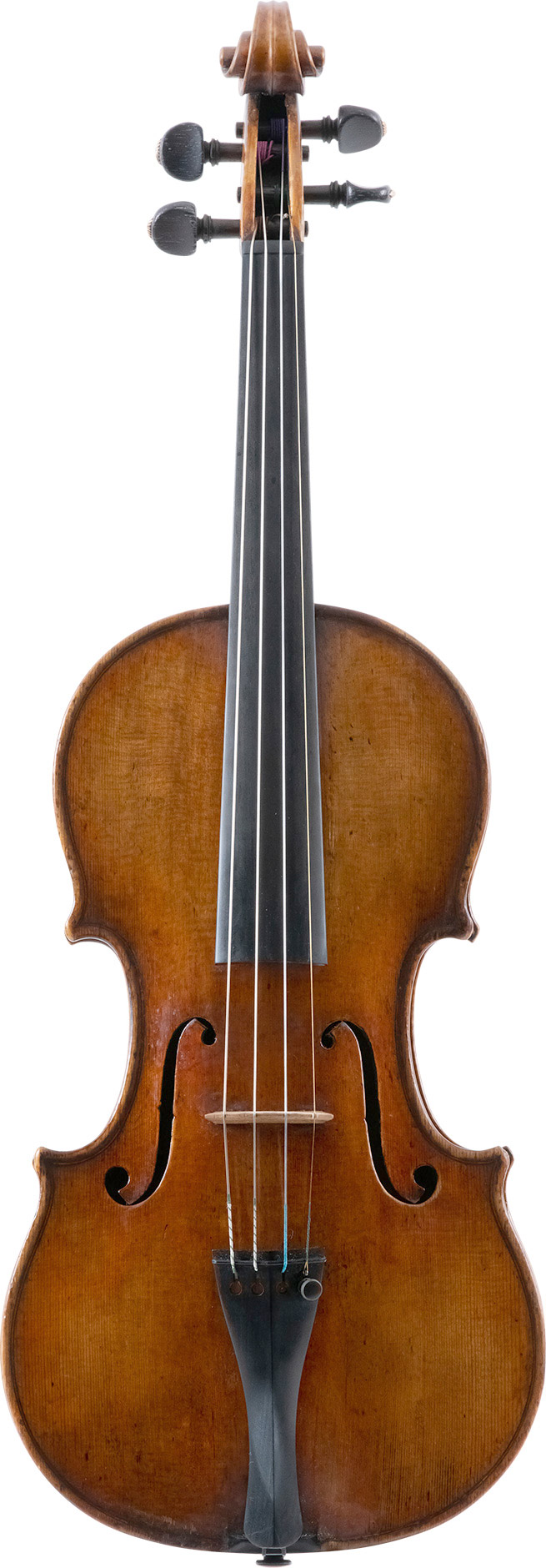
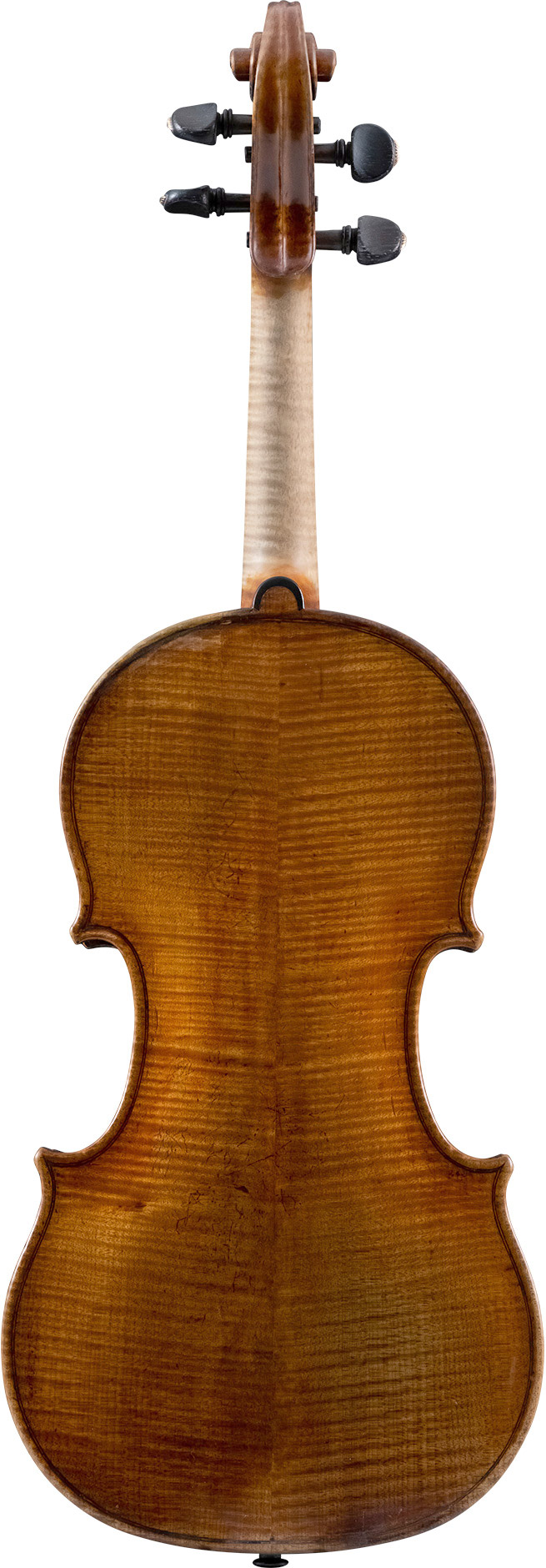
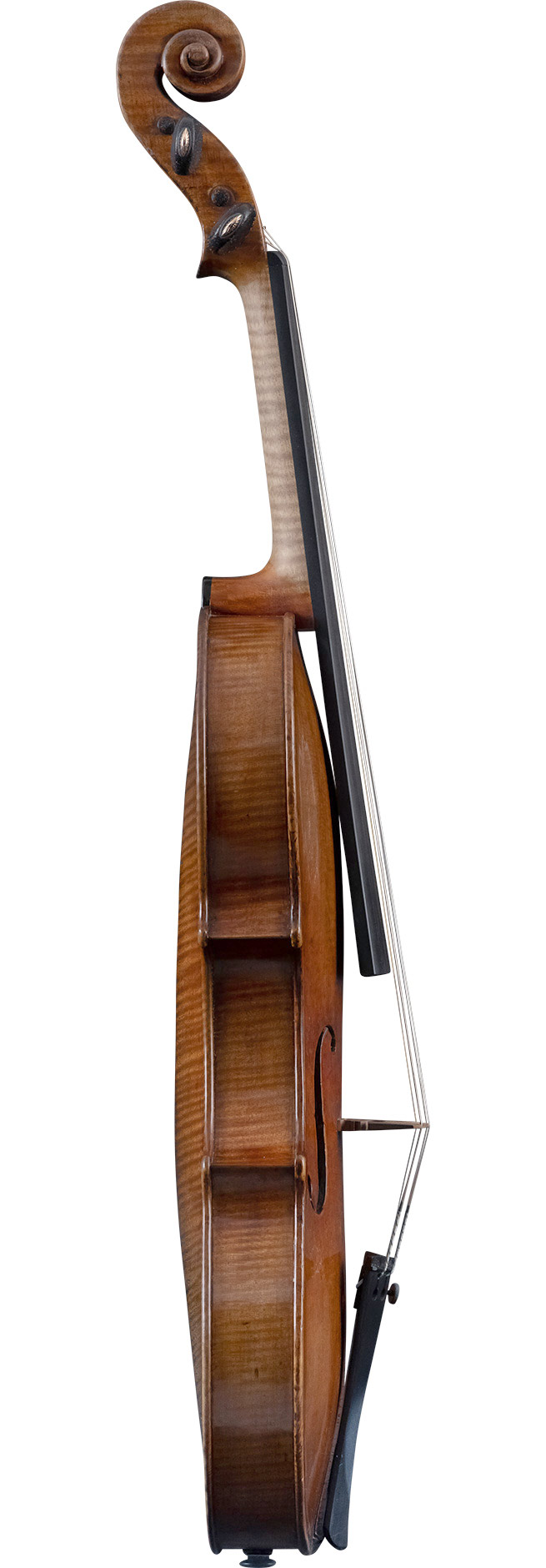
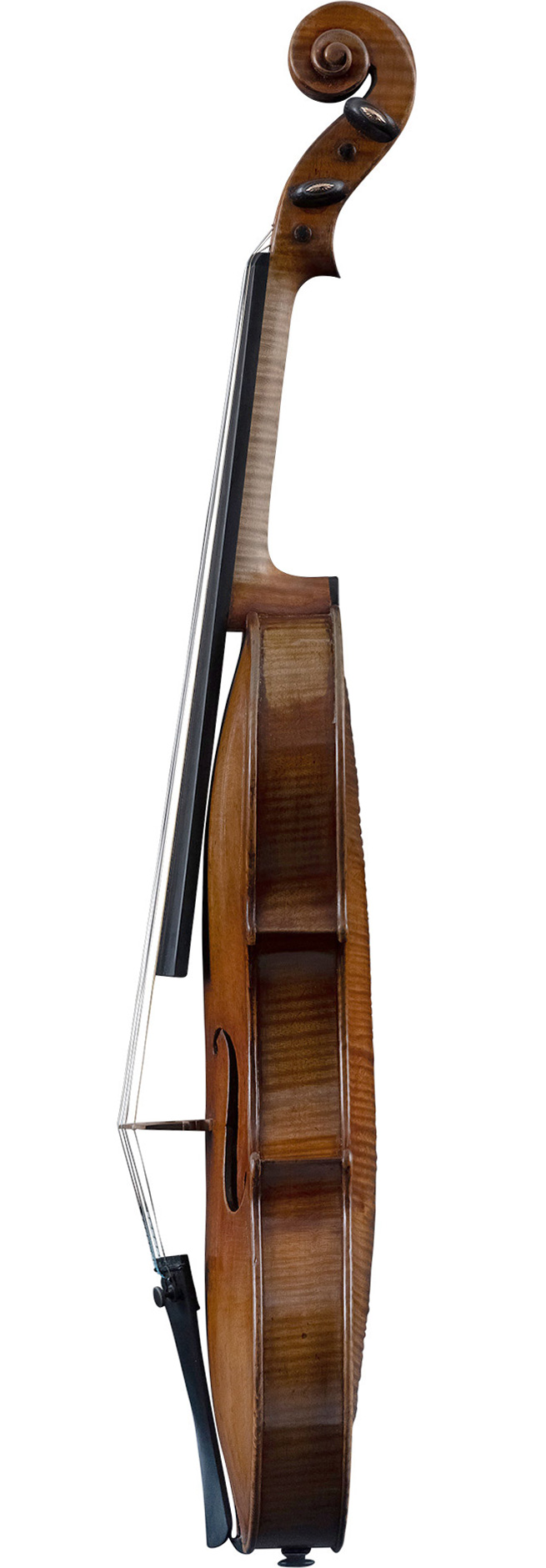
Among the large-pattern violins — known as the "Grand Pattern" — that Stradivari produced from 1700 onward, the 1726 "Greville, Adams, Kreisler" is recognized as one of the most attractive and representative examples.
Its appearance is covered in a distinctive cherry and orange-pink varnish of exceptional luster, and the two-piece maple back commands immediate attention. This characteristic beauty bears an almost perfect resemblance to contemporaneous instruments made around 1725: the "Ernst, Potigny" and the "Portuguese."
The instrument's story begins in the early nineteenth century, when a member of the English aristocratic Greville family purchased it in Cremona and brought it back to Britain. After passing through the hands of John Betts, it was sold in 1812 to William Stodart (recorded as Colonel Stodart), believed to have been a royal warrant piano maker. Upon the death of Stodart's son in 1861, it was acquired by George Hart, and in 1879 it crossed the Atlantic when purchased by R. D. Harley of Connecticut.
In 1889, Ernest Kempton Adams acquired the instrument and published an essay praising its extraordinary qualities. After his early death, it passed to his father Edward Dean Adams — a wealthy banker — and in 1908 was inherited by the legendary violinist Fritz Kreisler. After a little over a year it passed to the Chicago dealers Lyon & Healy, followed by Alma Seipe and then Frederick H. Hainl, a noted viola maker.
The "Greville," which has captivated so many distinguished performers and collectors, is now part of the Munetsugu Collection.