

Antonio Stradivari 1718 "San Lorenzo"
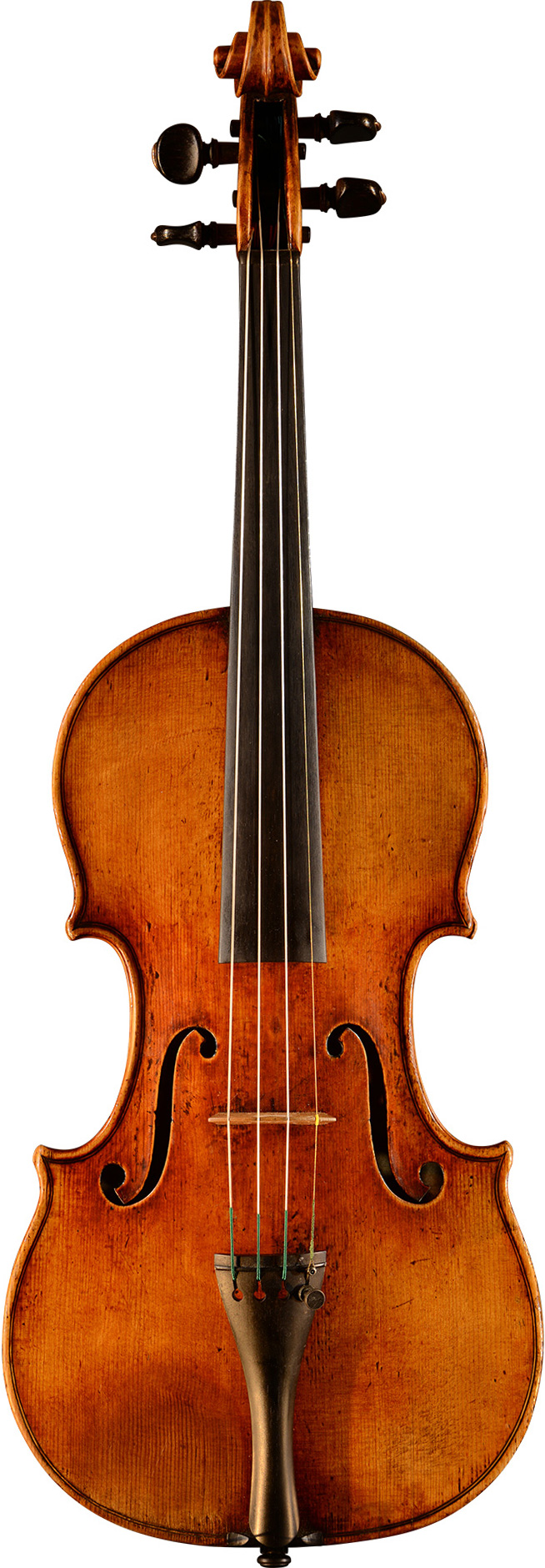
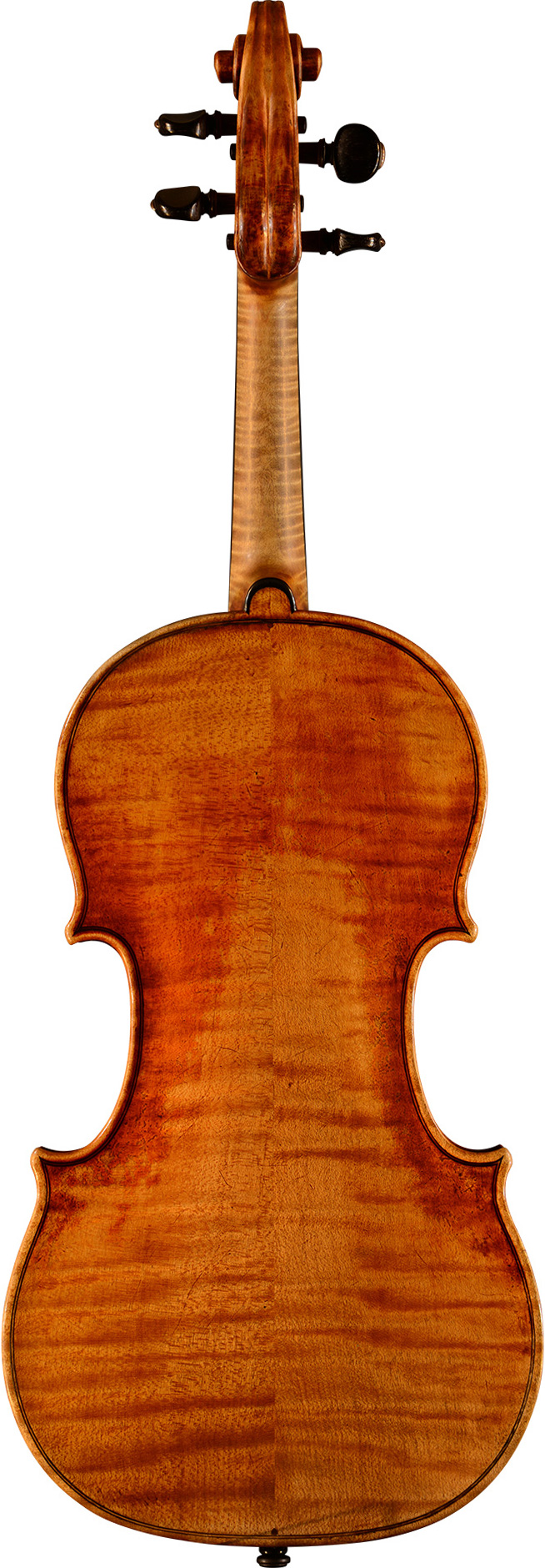
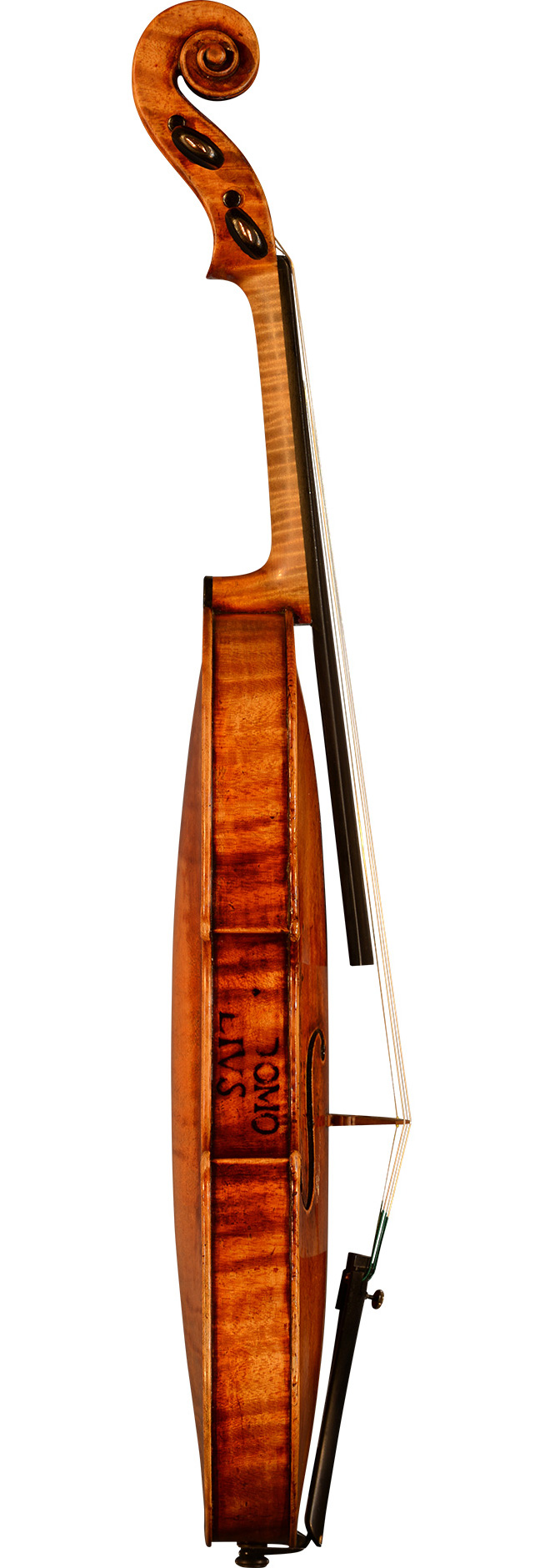
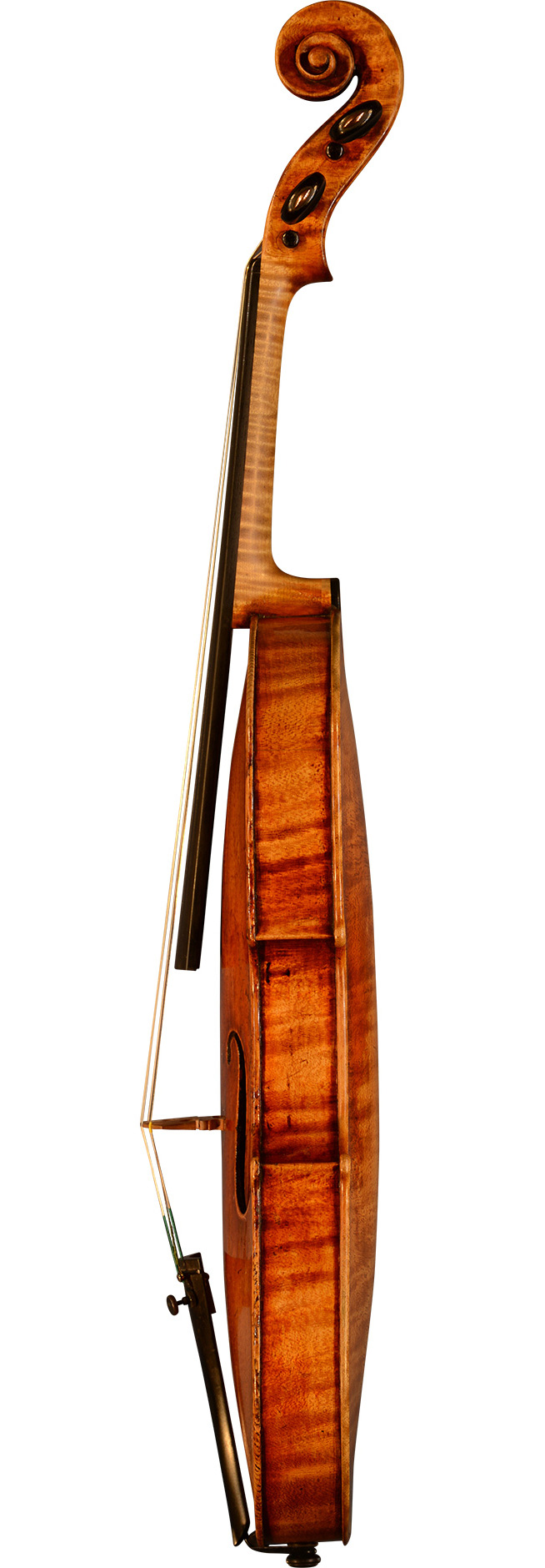
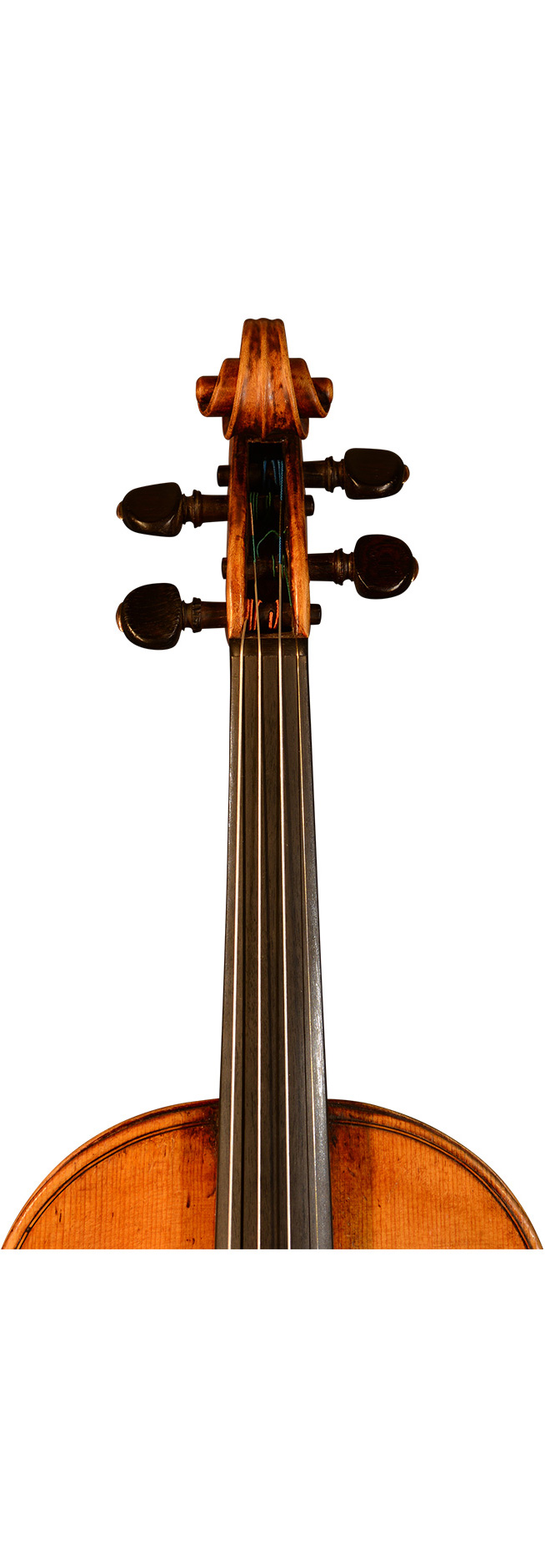
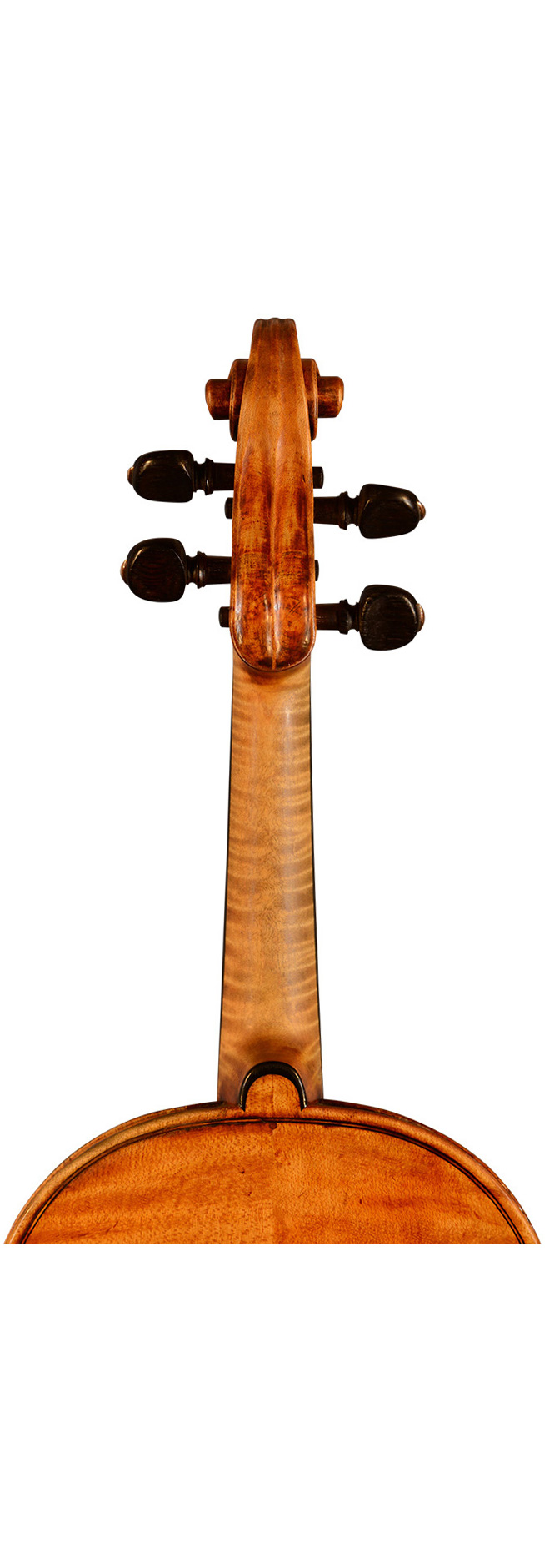
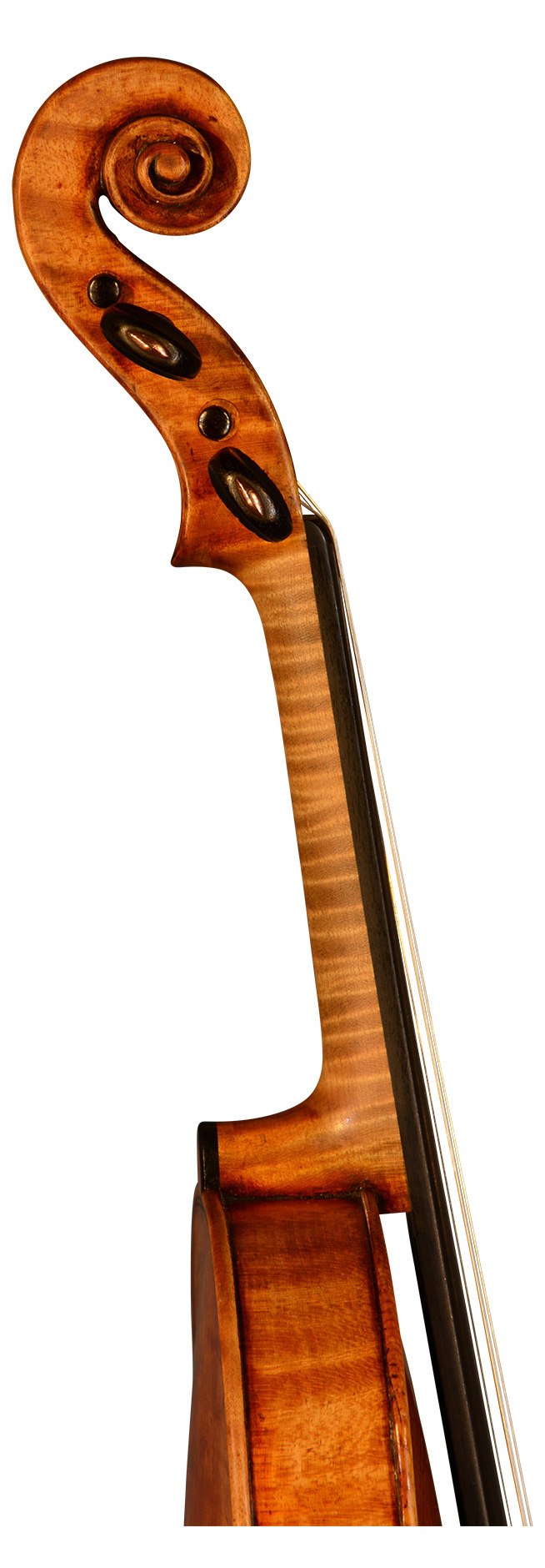
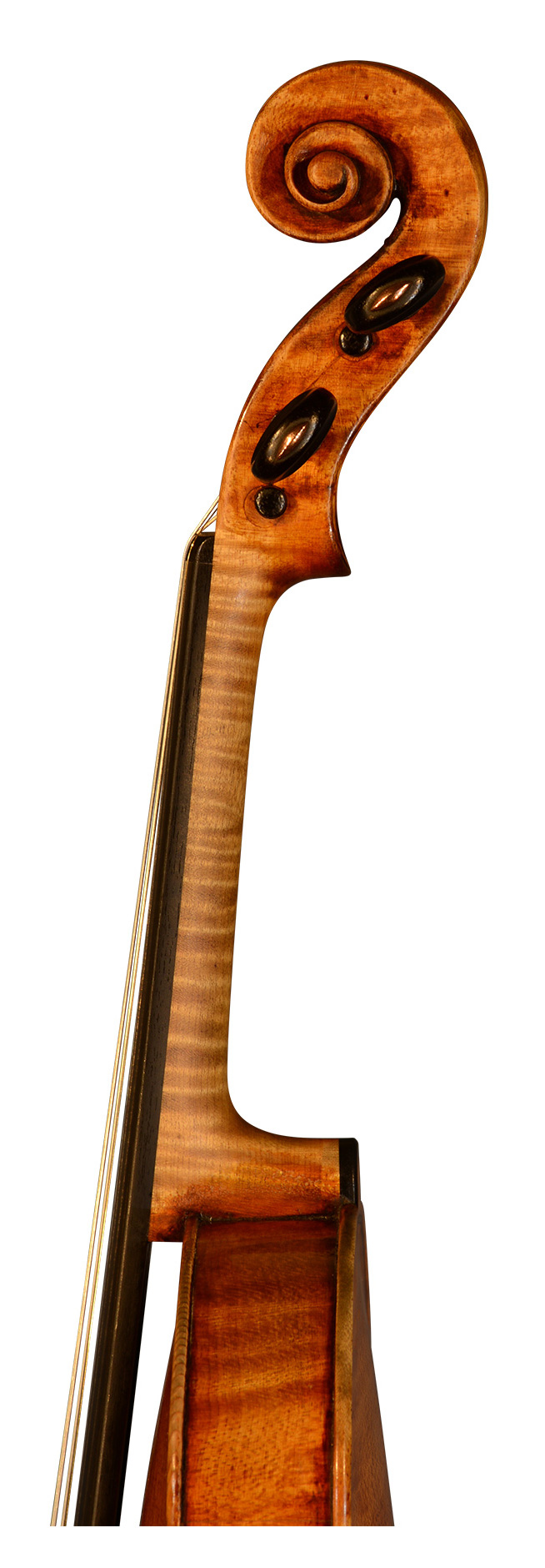
Among all Stradivarius instruments, the 1718 "San Lorenzo" stands out across the centuries for its remarkable beauty. Its most distinctive feature is a Latin inscription painted in varnish on the ribs. On the treble side one can just make out the words "Gloria et divitiae" ("Glory and riches"), and on the bass side "in domo eius" ("are in his house") — a verse from the Old Testament Psalms — which is said to have been the motto of the Italian noble family who originally commissioned the instrument.
The instrument's history begins after Antonio Stradivari's death, when his son Francesco sold it to Mauro Dall'Oglio (c. 1687–1757). Dall'Oglio was a distinguished violinist and composer from Parma who, after serving King Philip V of Spain, returned to Parma in his later years and became a knight of the Order of Saint George. By the terms of his will, the violin was bequeathed to the Order, and in 1758 it passed to Ferdinando Tondù Mangani (1713–1793). The Tondù family, wealthy merchants who had made their fortune in the textile trade, resisted repeated requests from the famous collector the Count of Sarabuе and kept the instrument for the rest of their lives.
It subsequently passed through the hands of the celebrated violinist Giovanni Battista Viotti before being sold to the 3rd Duke of San Lorenzo (Lorenzo Fernández de Villavicencio Caña y Portocarrero), from whom the instrument's current nickname derives. Kept for many years in the Duke's castle in Jerez de la Frontera in southern Spain, it later passed through a Madrid antiques dealer before being purchased in 1908 by the German railway engineer Georg Talbot.
This historic Stradivarius, which has fascinated some of the greatest performers and collectors in history, has been part of Japan's distinguished Munetsugu Collection since 2015.