

Antonio Stradivari 1714 "da Vinci"
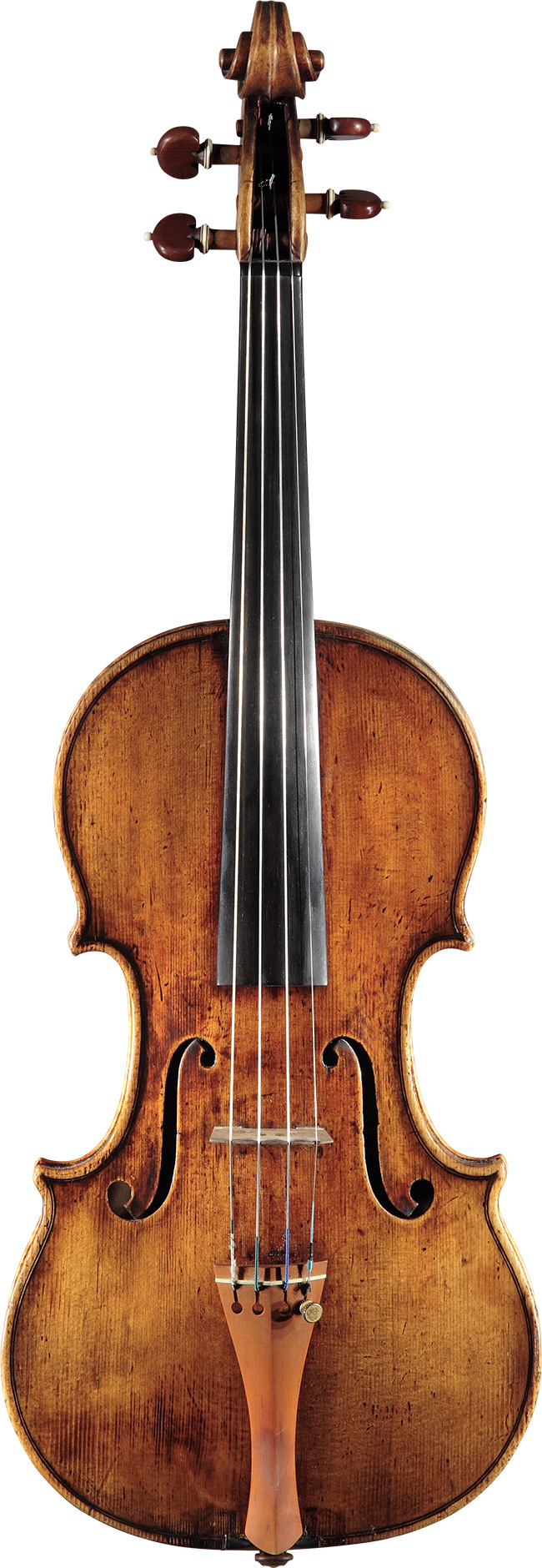
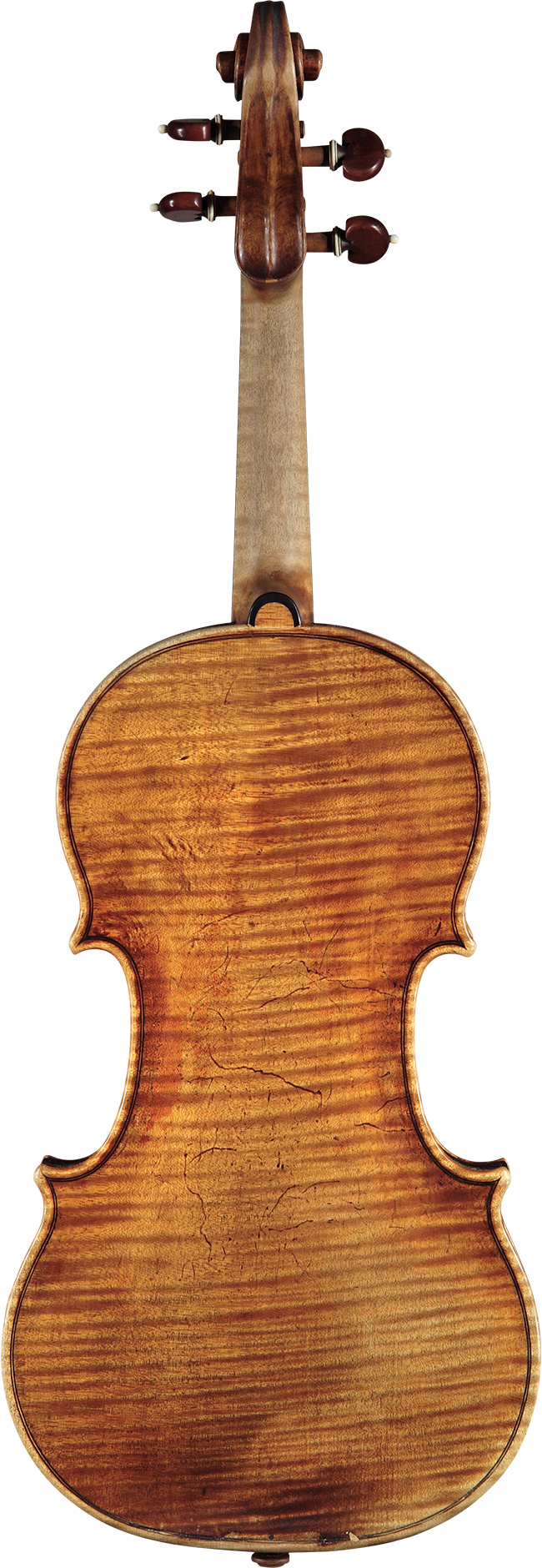
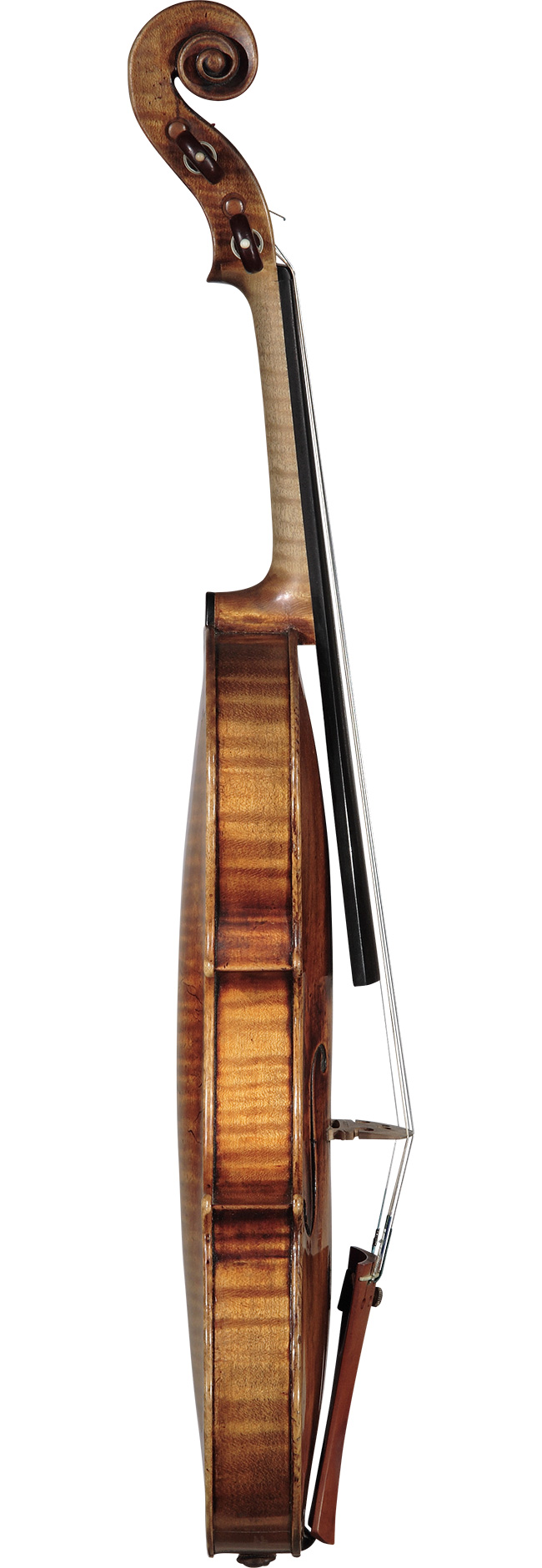
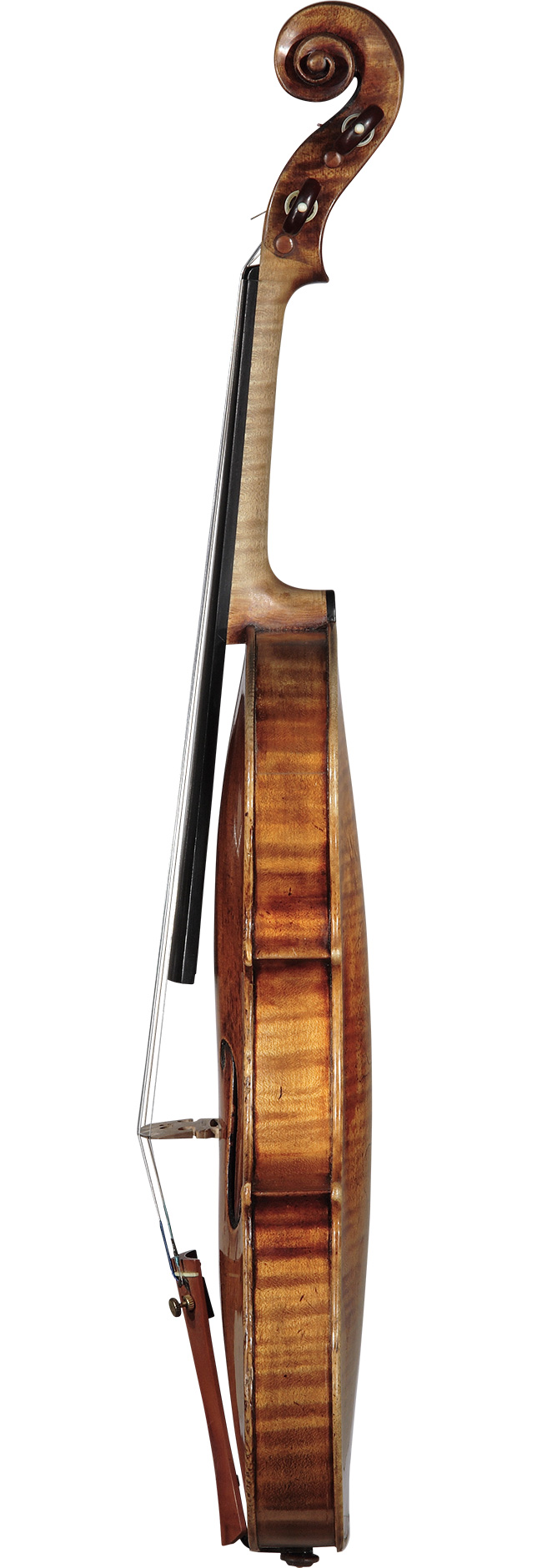
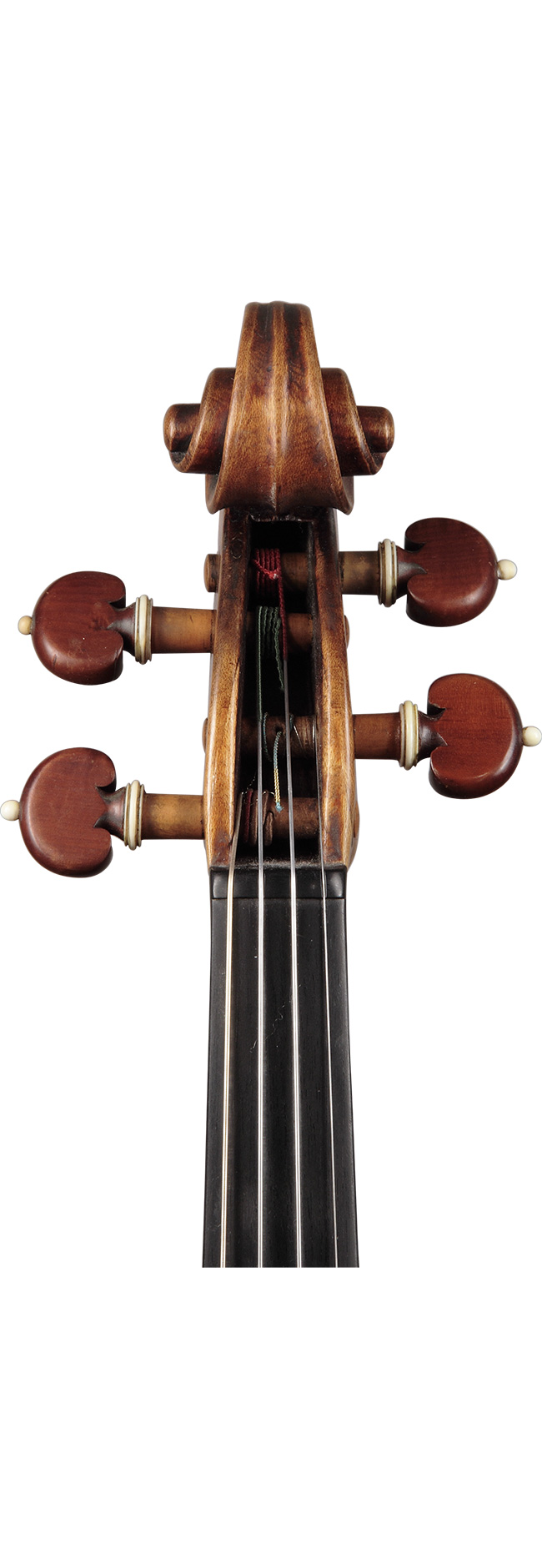
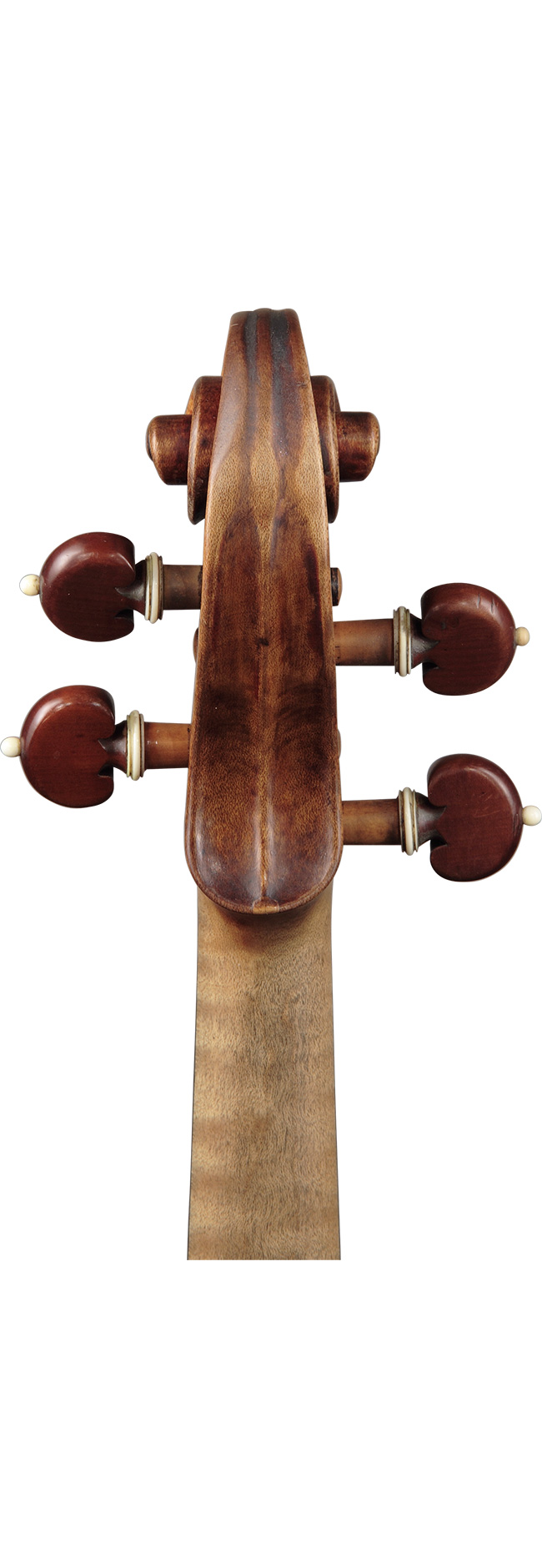
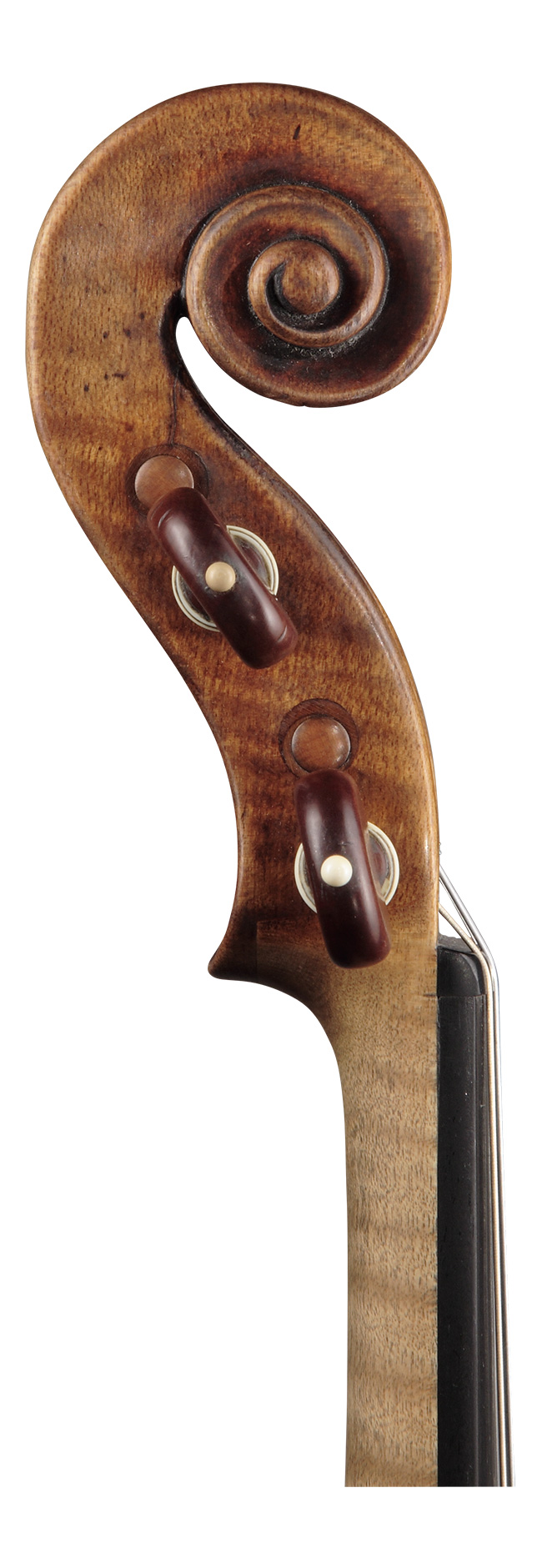
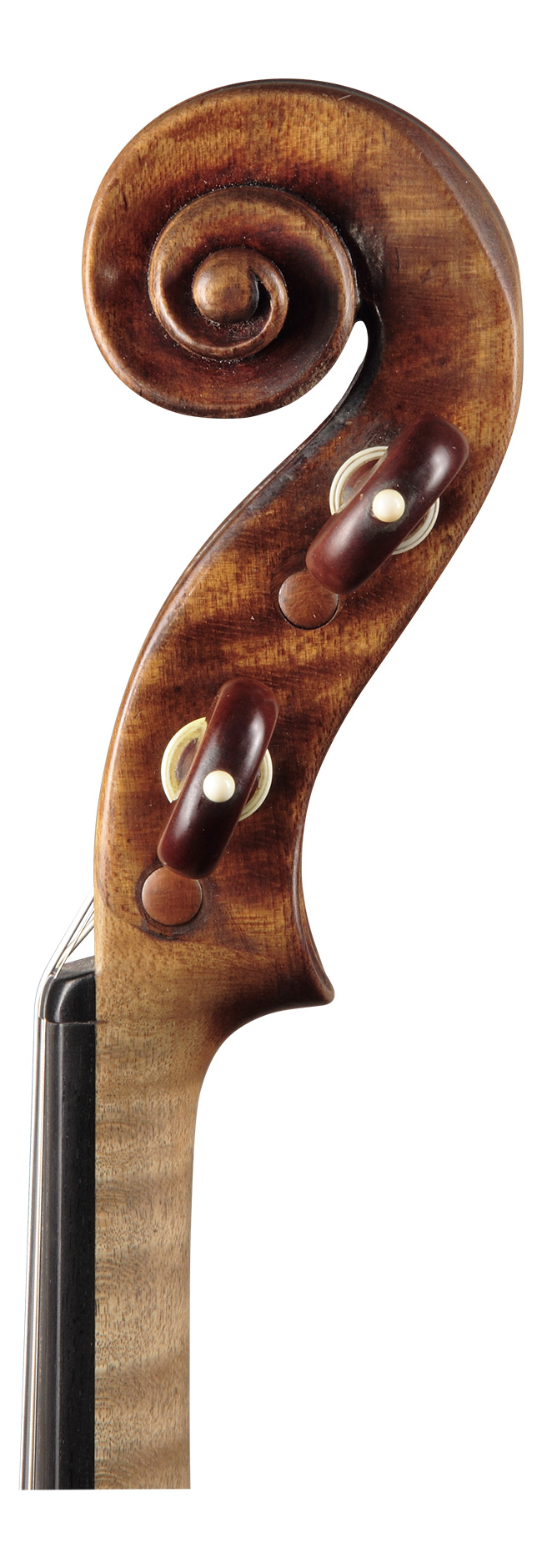
Among the masterpieces that represent Stradivari's "Golden Period," the "da Vinci" — bearing its original 1714 label — is one of the most celebrated. This violin, with its magnificent scroll — praised as "the finest style the master could achieve" — and its one-piece slab-cut maple back displaying lively, fine horizontal figure, has captivated admirers for generations.
The instrument's documented history traces back to a period in the possession of a Monsieur Emonville, after which it was acquired at auction by Joseph Chardon in June 1881. It then entered the collection of Count Léon du Janzé, and was sold to J. Fauché of Paris in 1888. In 1914, Charles Tansch of Berlin purchased it through Caressa & Français, but it was subsequently reacquired by Albert Caressa, who sold it to Eric Lachman in 1924 — at which point this celebrated instrument crossed the Atlantic to America.
Within months of arriving in the United States, it passed through Emil Herrmann to the hands of the distinguished Russian violinist Toscha Seidel (1899–1962). Seidel played this instrument for some forty years. It was later sold at Sotheby's London in 1974, and the violin is now part of the Munetsugu Collection in Japan.
The nickname "da Vinci" originates from a certificate issued by Caressa & Français. Ernest Doring wrote: "It was doubtless named for the rich beauty of its appearance, in keeping with the famous works of that Italian master."