

Antonio Stradivari 1711 "Tartini, Vogelweith"
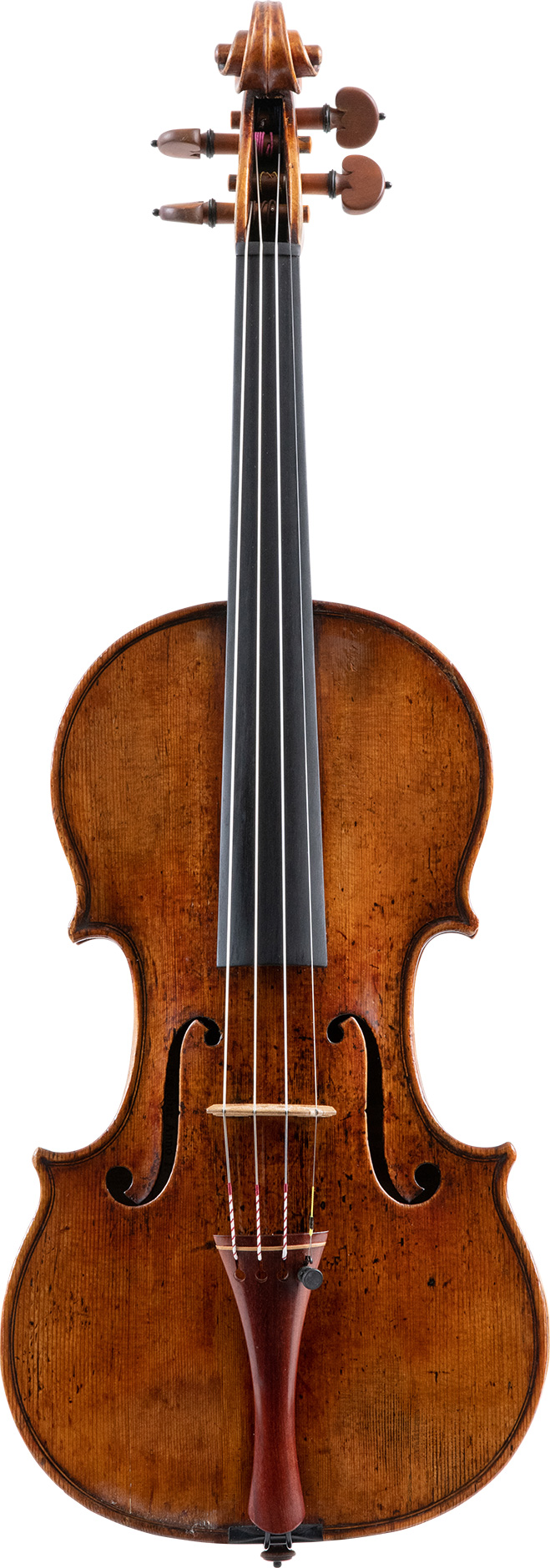
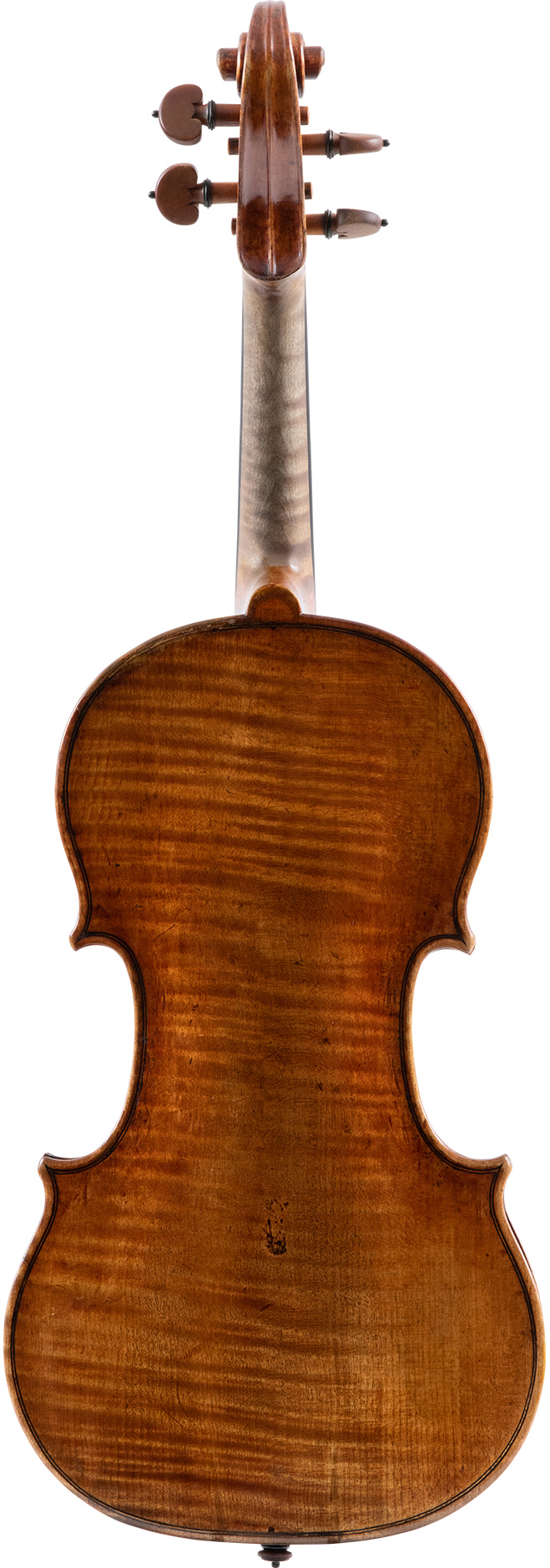
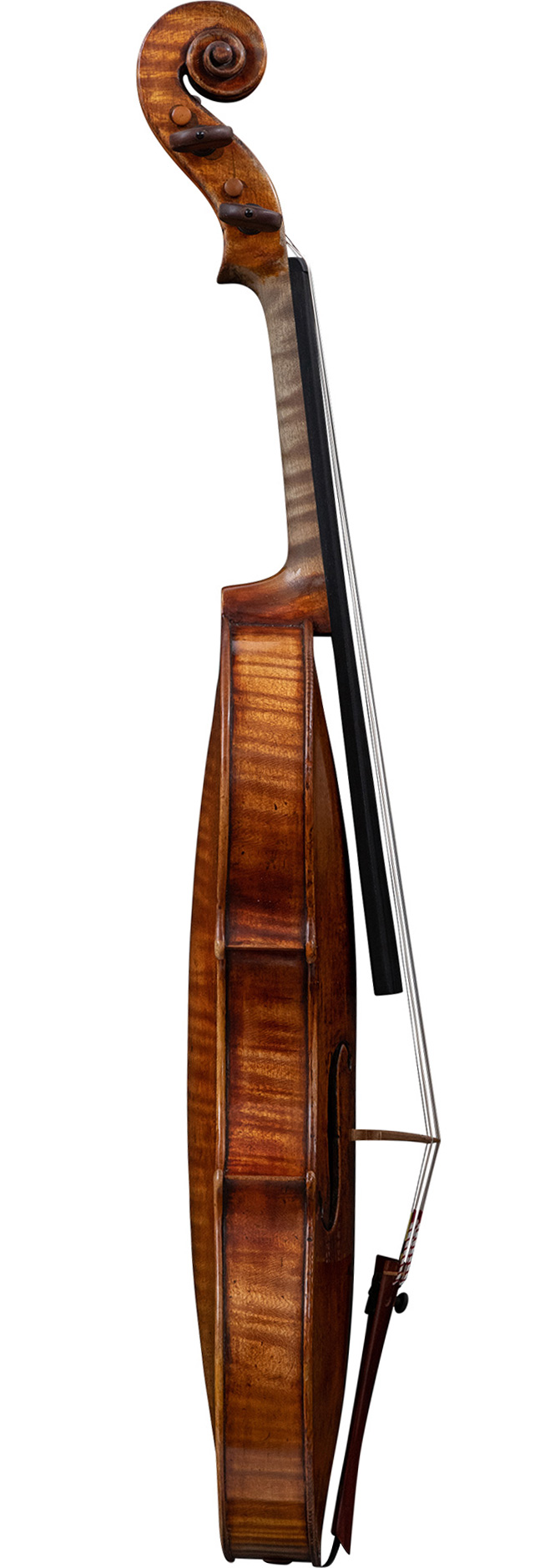
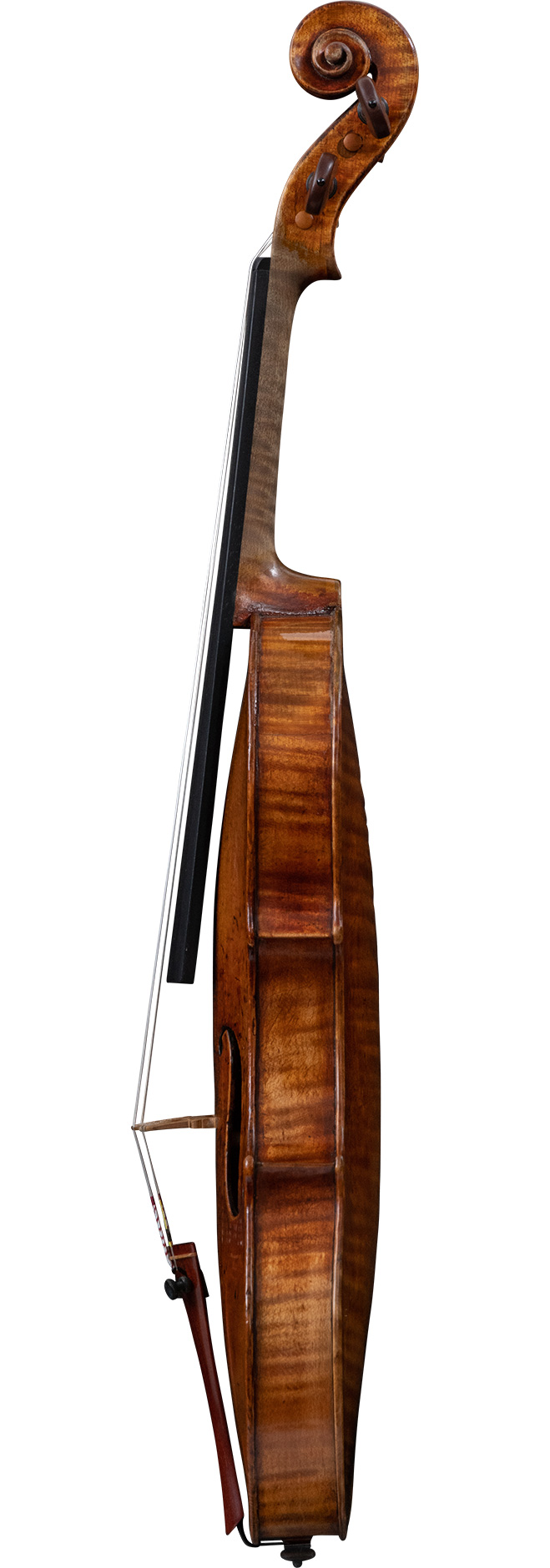
Among the masterpieces produced during Stradivari's Golden Period, the 1711 "Tartini, Vogelweith" stands out for its exceptional beauty. It is also noted for bearing a very strong resemblance to the celebrated 1713 masterpiece, the "Gibson, Huberman."
Its appearance is distinguished by a one-piece back with a medium-width flame running diagonally from the bass-bar side toward the soundpost side, in a sweeping and expansive pattern. The top is fine-grained spruce, and the orange-brown varnish laid over a golden ground gives the instrument an added luster and appeal.
The instrument's history begins with one of the most famous early owners: Giuseppe Tartini (1692–1770), the celebrated Baroque composer and violinist known above all for his Violin Sonata in G minor, the "Devil's Trill." Tartini kept this Stradivarius close throughout his life, and upon his death bequeathed it to his pupil Giulio Meneghini.
In the late nineteenth century, the instrument passed through the hands of what is believed to have been a Geneva collector and then through the London dealer Hills, before reaching violin maker Pierre Vogelweith in 1943. After the war, it entered the collection of Vatelot and then of Hamma, passing through several auctions before being carefully preserved in the Munetsugu Collection in Nagoya, where it resides today.