

Antonio Stradivari 1699 "Walner"
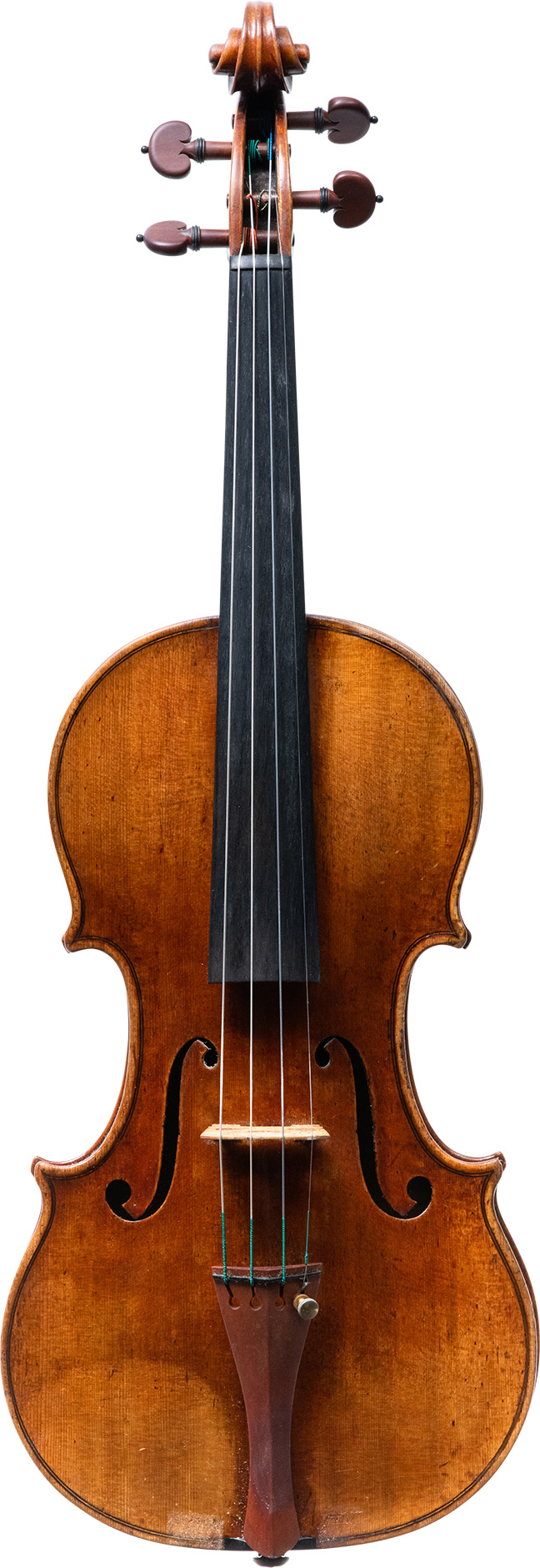
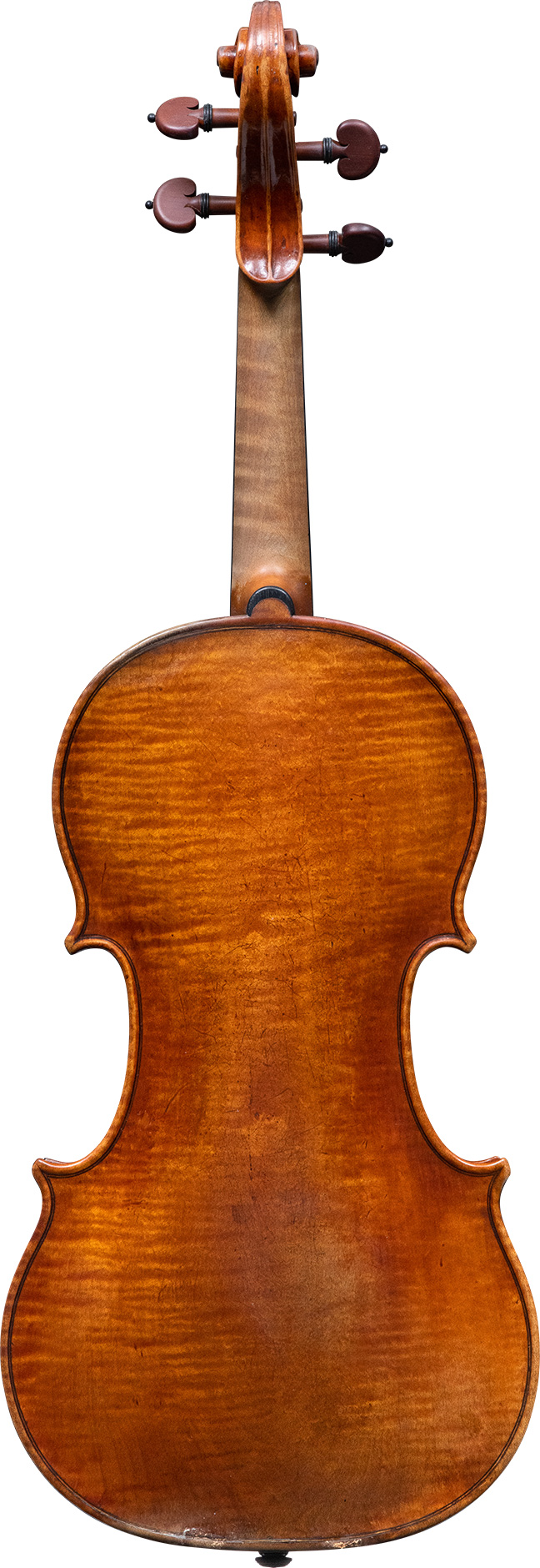
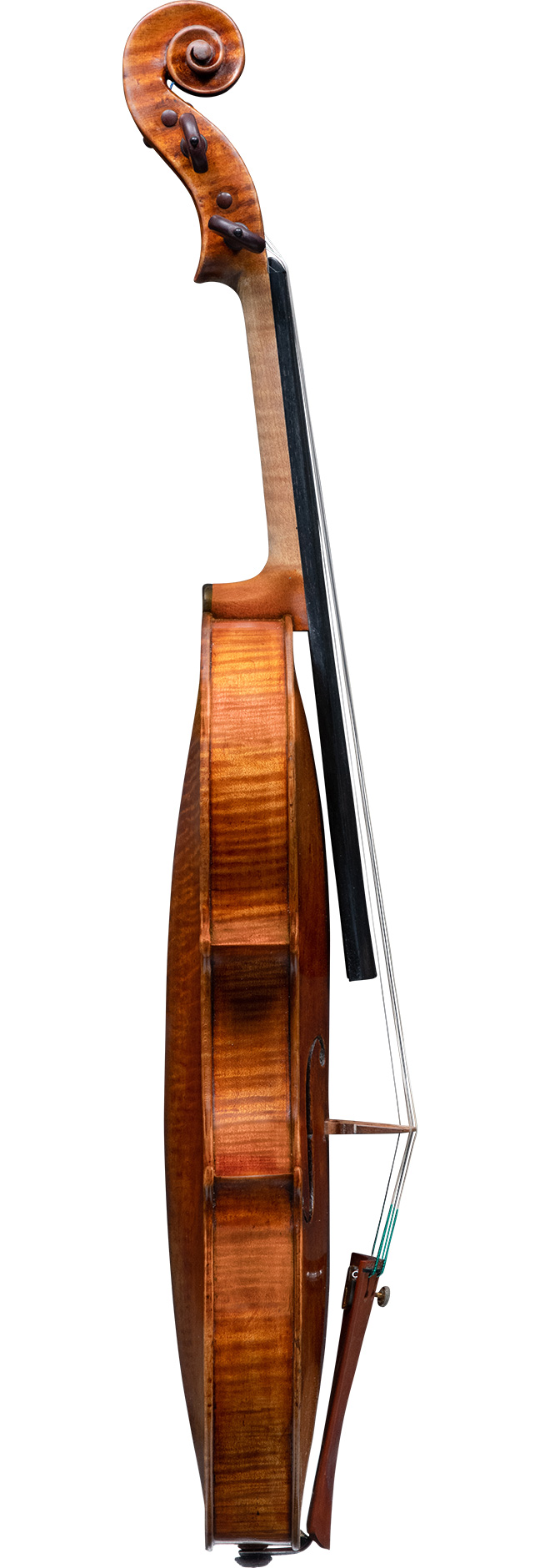
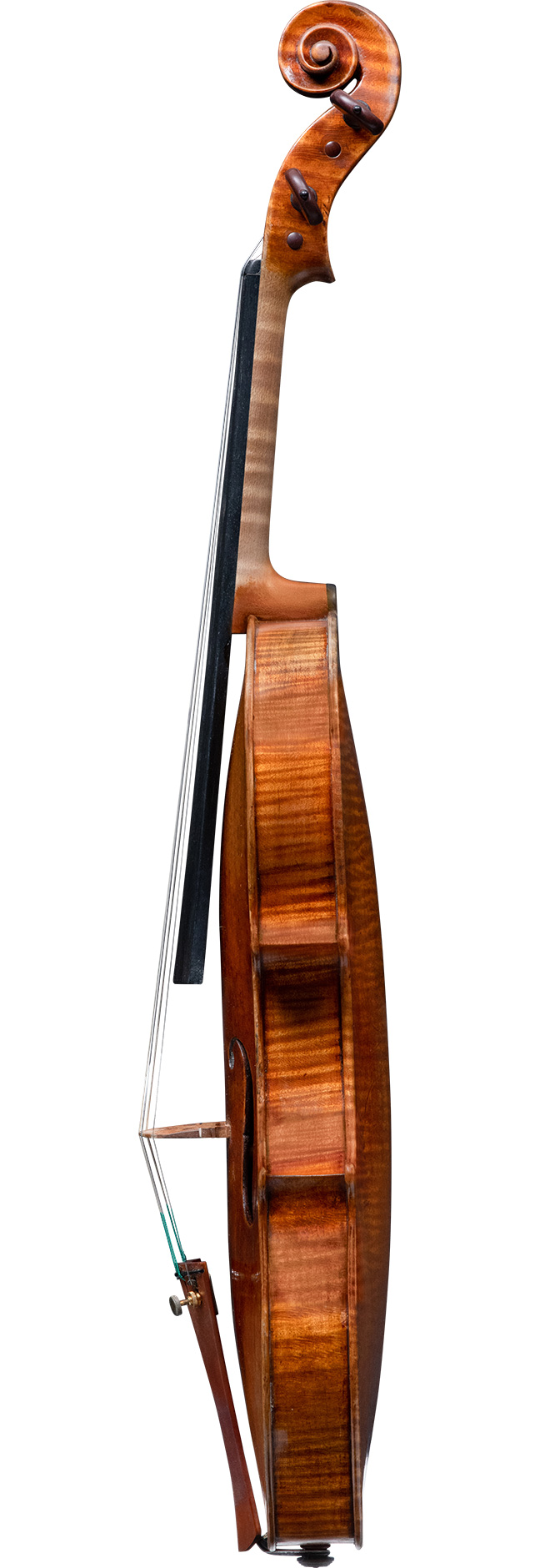
The 1699 Stradivarius known as the "ex Walner" is recognized as an extremely important work from the transition period leading directly into the Golden Period (1700–1725). The late 1690s, following the era of experimentation known as the "Long Pattern," represented a decisive phase in which Stradivari's design thinking moved toward a more balanced system of dimensions and acoustic planning. This instrument is one of the few surviving examples from that historical turning point.
Among Stradivari's known instruments from 1699, this violin occupies a particularly exceptional position. Works from that year using beautifully slab-cut wood for the back plate are believed to number only a handful in all of recorded history, and the "ex Walner" stands as one of the most representative among them. Structural similarities to the 1699 "Lady Tennant" are frequently noted, and the two are often spoken of as companion masterpieces. While many instruments produced during the roughly eight years prior to 1699 followed the Long Pattern design, the "ex Walner" displays proportions that anticipate the style established after 1700 — making it a rare and precious example that truly bridges the Long Pattern and the Golden Period.
It should be noted that this instrument's scroll is not original; at some point in its history it was replaced with one by the Venetian maker Gobetti. This fact itself testifies to the instrument's long history of active use in performance, and may be seen as part of the cultural journey that a great instrument undertakes across centuries.
The provenance traces back to early twentieth-century Russia. Records indicate that around 1930 it was owned by a professor and violinist associated with the Moscow Conservatory, and around 1945 it made its way to the United States. Around 1996, Laurence Walner acquired the instrument, and it has been known by the name "Walner" ever since, subsequently passing through significant private collections.
Its acoustic character supports the instrument's historical significance. A highly balanced combination of brilliance and depth, with clear articulation and a rich harmonic structure, the sound simultaneously evokes the expansiveness of the Long Pattern and the concentrated intensity of the Golden Period. Despite its strong projection, the core of the tone retains warmth, and the instrument demonstrates the versatility to serve equally in solo, chamber, and concerto contexts.
The 1699 "ex Walner" is an instrument of the utmost historical and musical importance, capturing the very moment when the echo of the Long Pattern still lingered while the Golden Period was already being entered with certainty.