

Antonio Stradivari 1697 "Rainville"
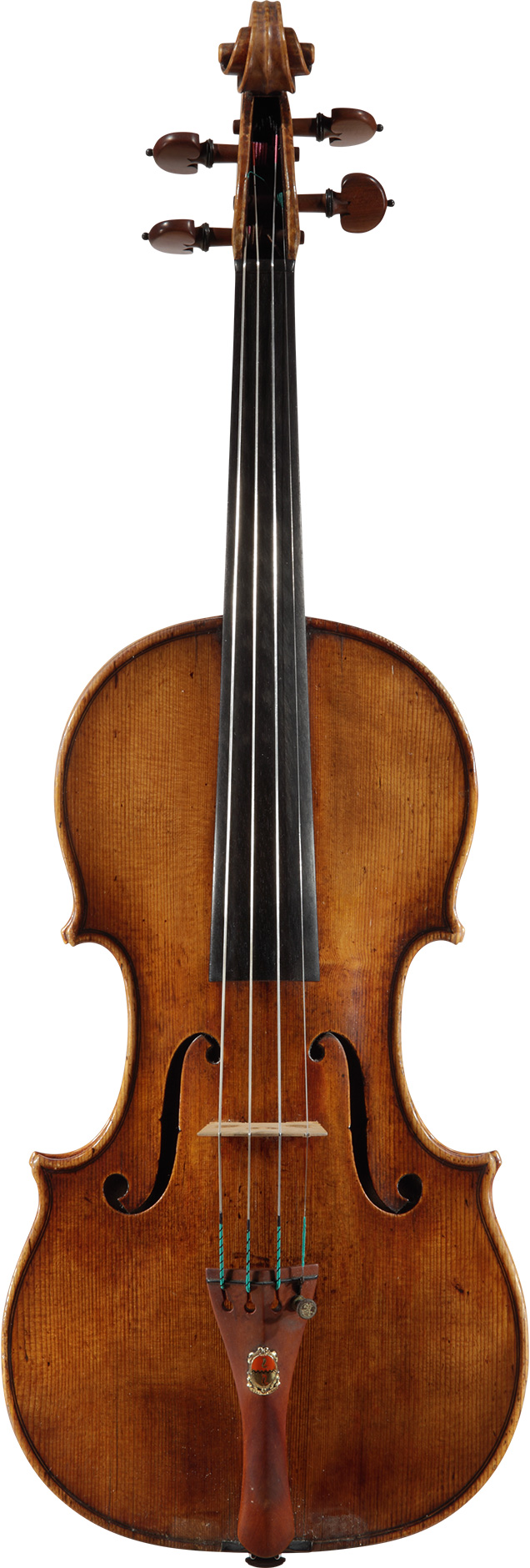
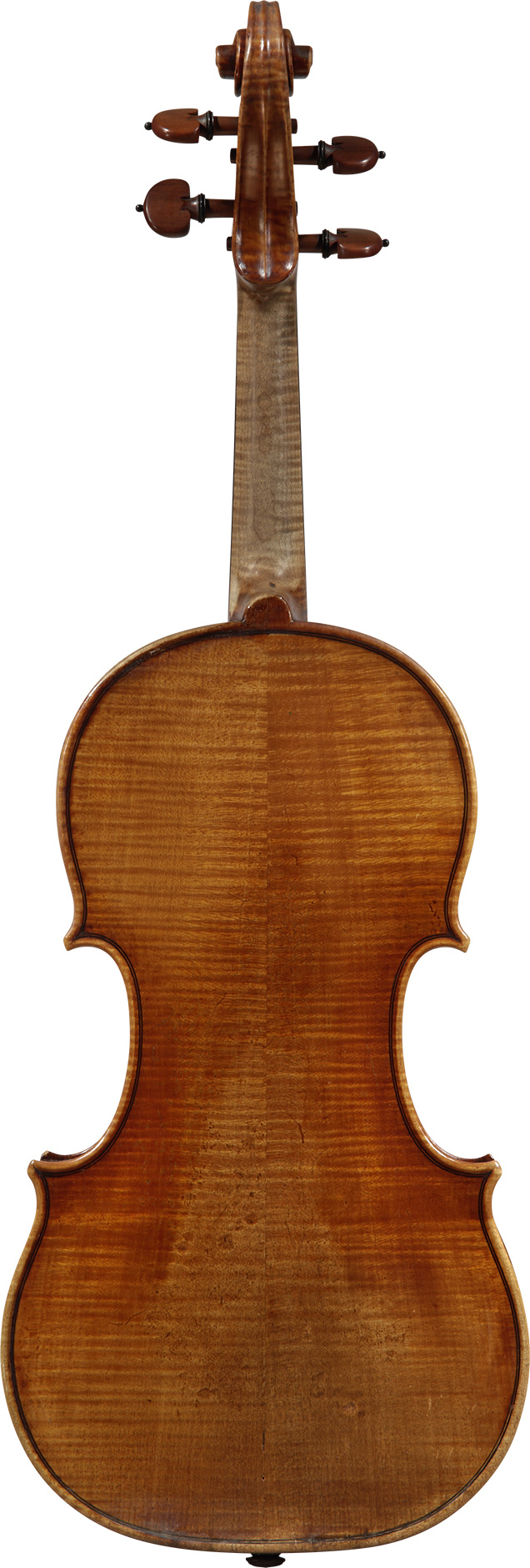
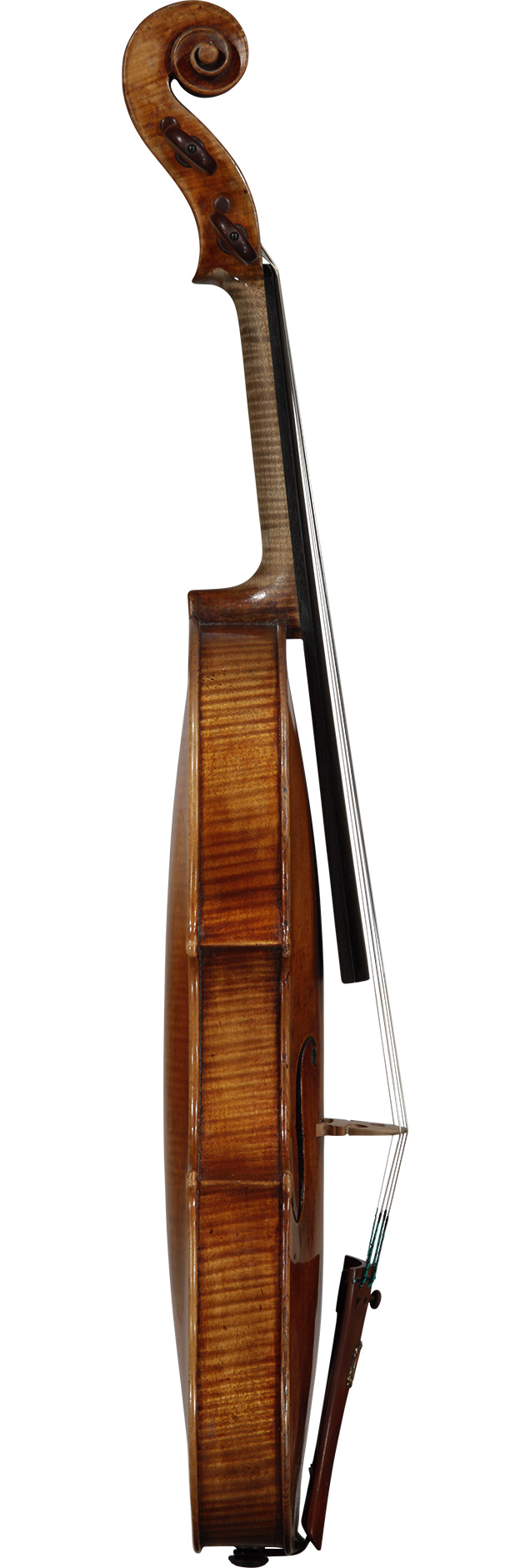
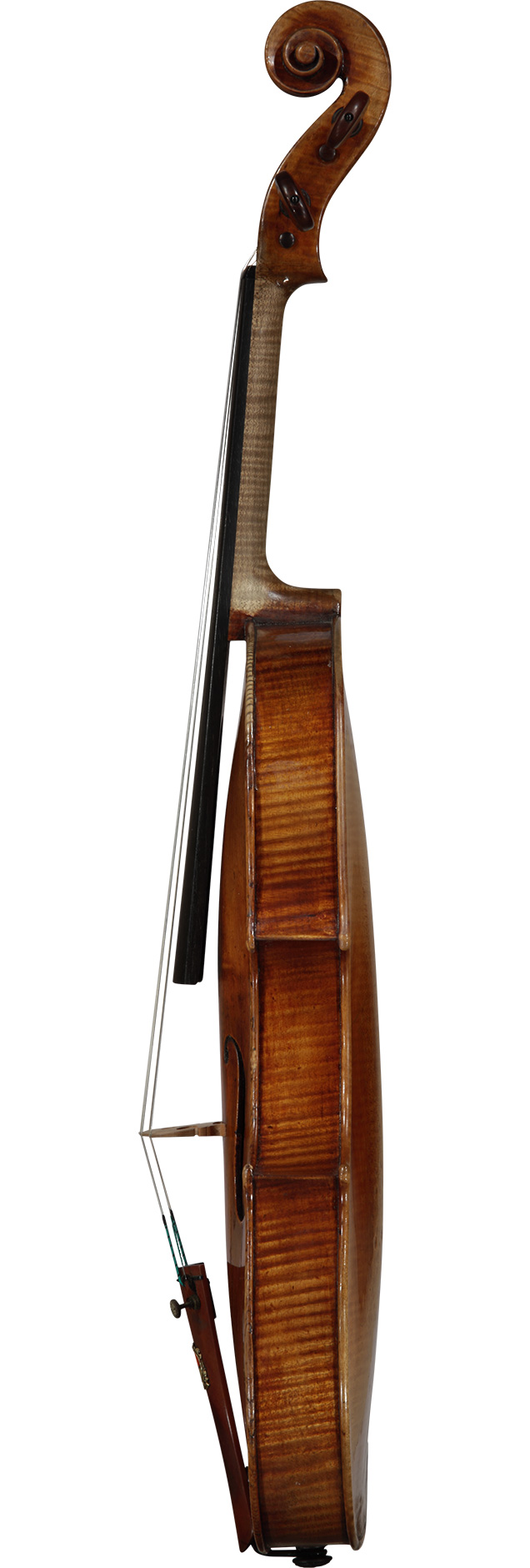
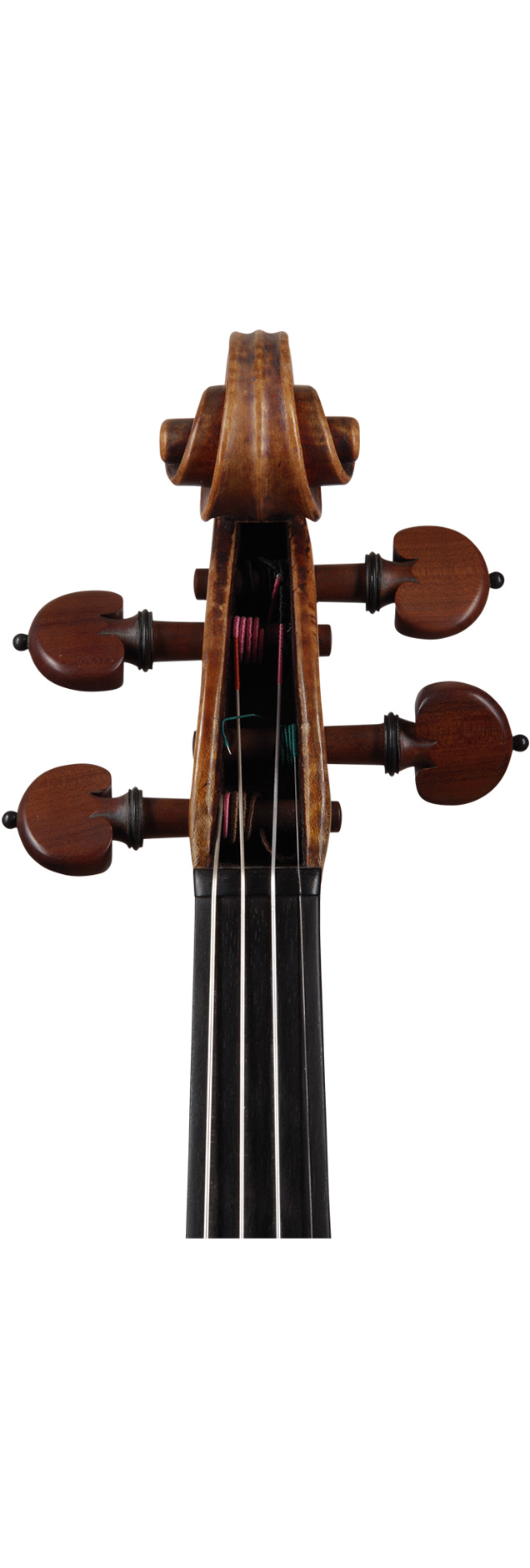
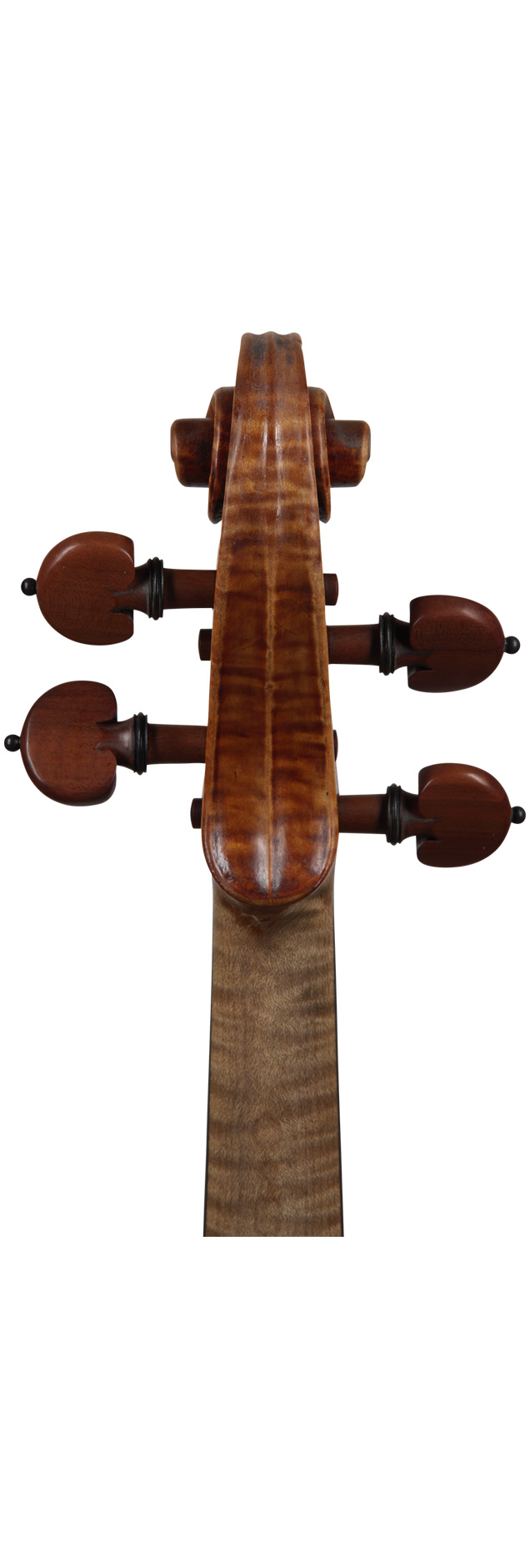
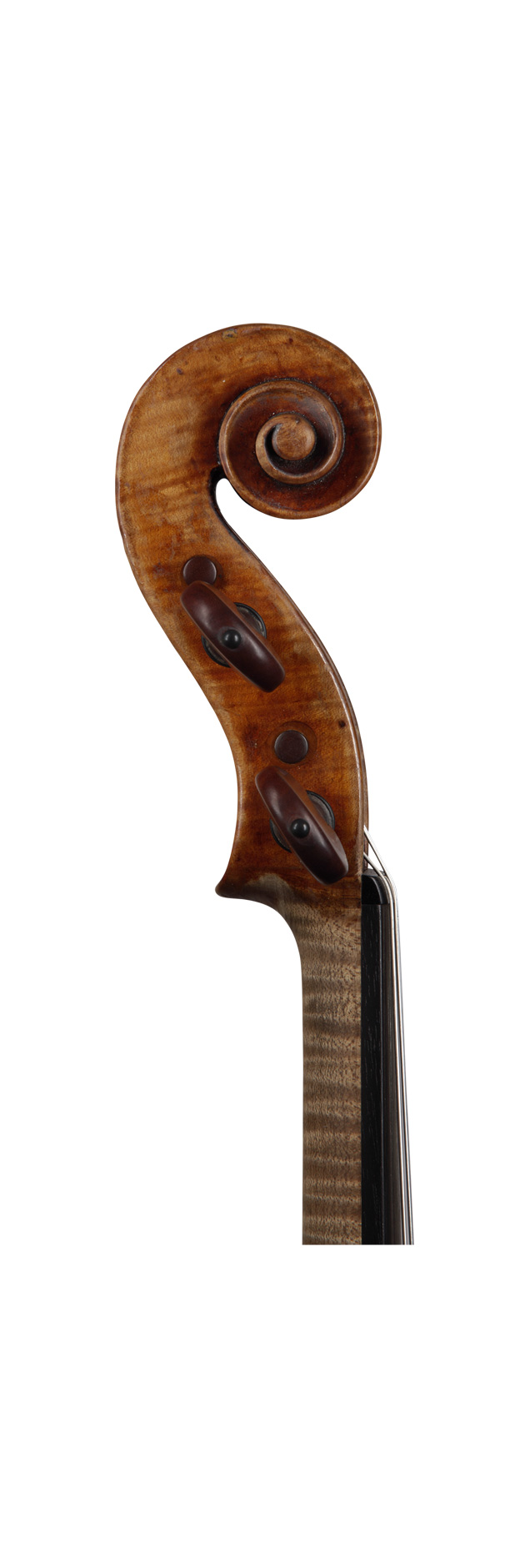
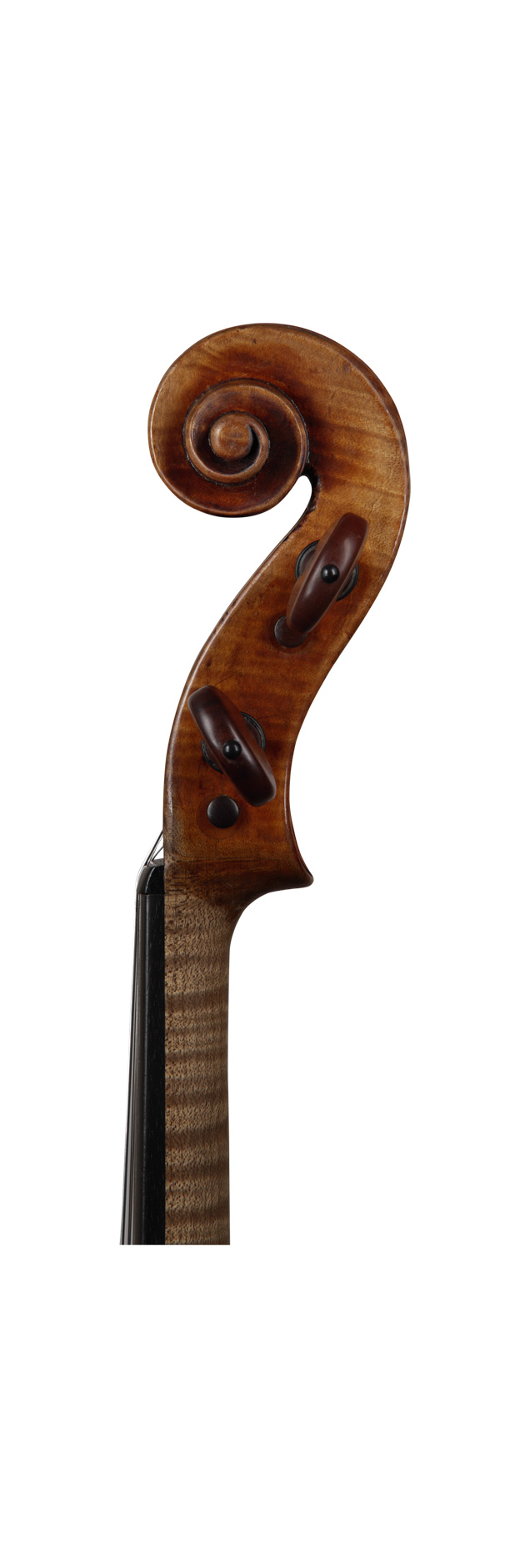
The 1697 Stradivarius known as the "ex Rainville" is internationally recognized as an important example demonstrating the level of refinement achieved just before the Golden Period (1700–1725). The late 1690s mark a decisive transition away from the so-called "Long Pattern" experiments toward a more balanced system of proportions and a more robust acoustic design. This instrument clearly embodies the achievements of that transitional moment.
In 1697, Stradivari was moving beyond the traditional approach of his teacher Nicolò Amati while beginning to establish his own structural tension and tonal projection. The instrument's form still carries a strong residue of Amati's elegance — flowing body lines and harmonious contours — yet the internal structure holds a firmer tension, with a clear sense of progression toward the later Golden Period works. Unlike the boldness and dramatic power that would characterize his later output, this instrument preserves a restrained grace and precise equilibrium while expressing a firm intention toward full maturity.
The delicate scroll carving speaks eloquently to Stradivari's artistic sensibility in his early maturity. The overall proportions are refined, and the lines convey a natural interplay of tension and release. The transparency and structural stability characteristic of this period represent the achievements of the late 1690s.
The "Rainville" is widely known for having been the principal instrument of Norbert Brainin, first violinist of the Amadeus String Quartet — one of the most celebrated ensembles of the twentieth century. Through Brainin's performances on the world's great stages, the instrument's voice, combining transparency with depth, captivated audiences everywhere.
Acoustically, this violin offers clear, projecting articulation alongside a core of deep sweetness and rich harmonic complexity. The expansiveness characteristic of the Long Pattern period coexists with a concentrated intensity pointing toward the Golden Period — and this coexistence is perhaps the instrument's most compelling quality.
The 1697 "Rainville" remains a historical witness born in the midst of stylistic transformation — an important presence on a singular point in the timeline, capturing the moment when the master's creativity moved toward its fullest maturity, just before the Golden Period.