

Antonio Stradivari 1687 "Kloster Traunstein"
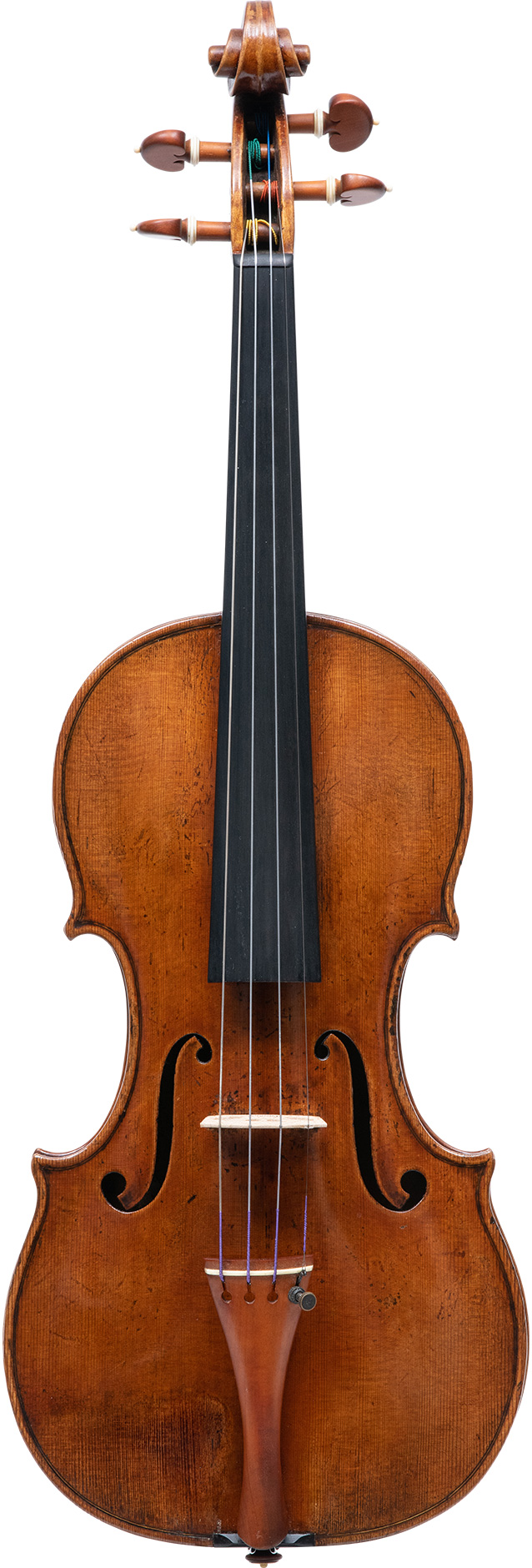
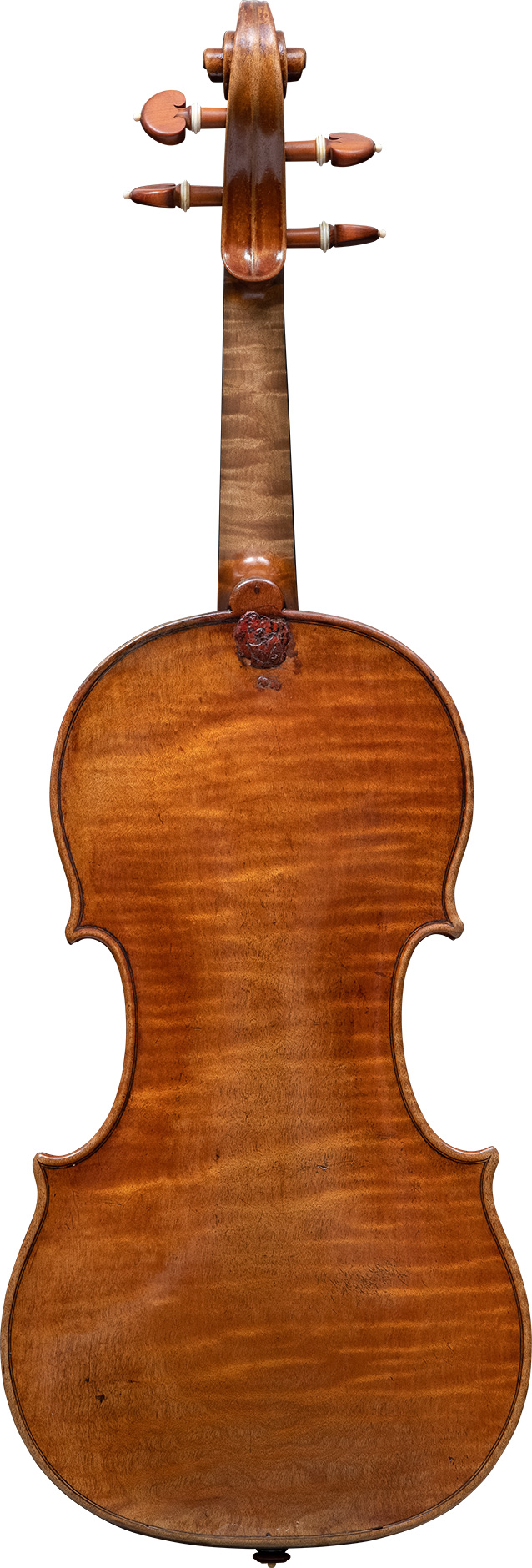
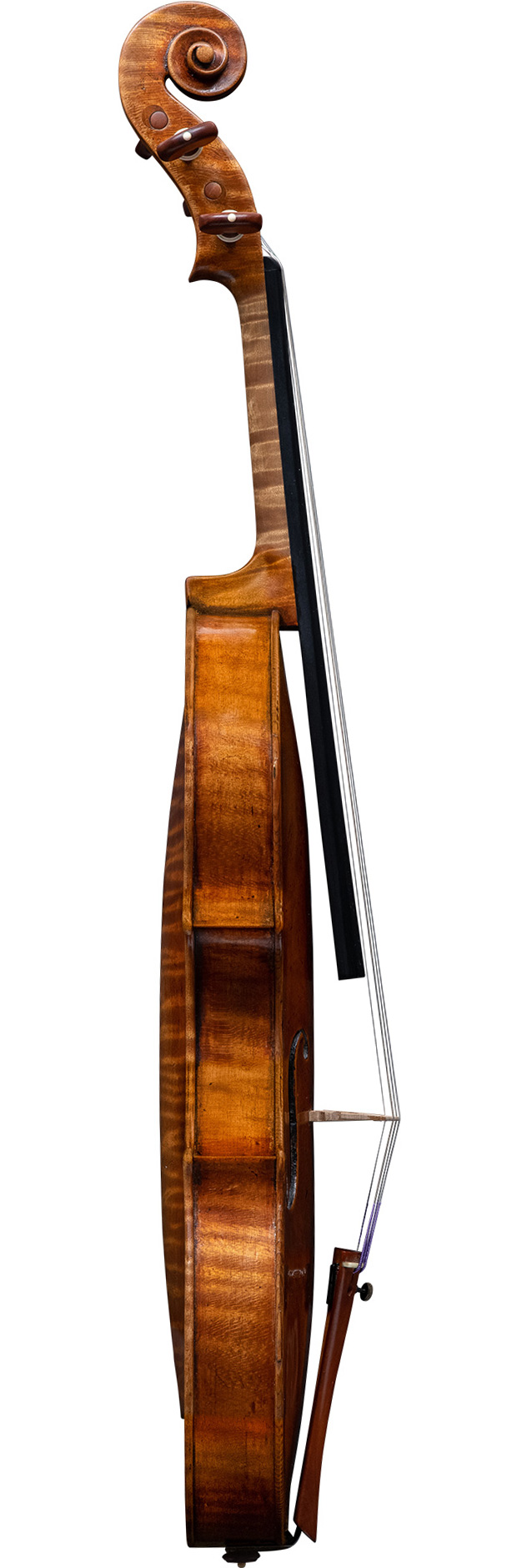
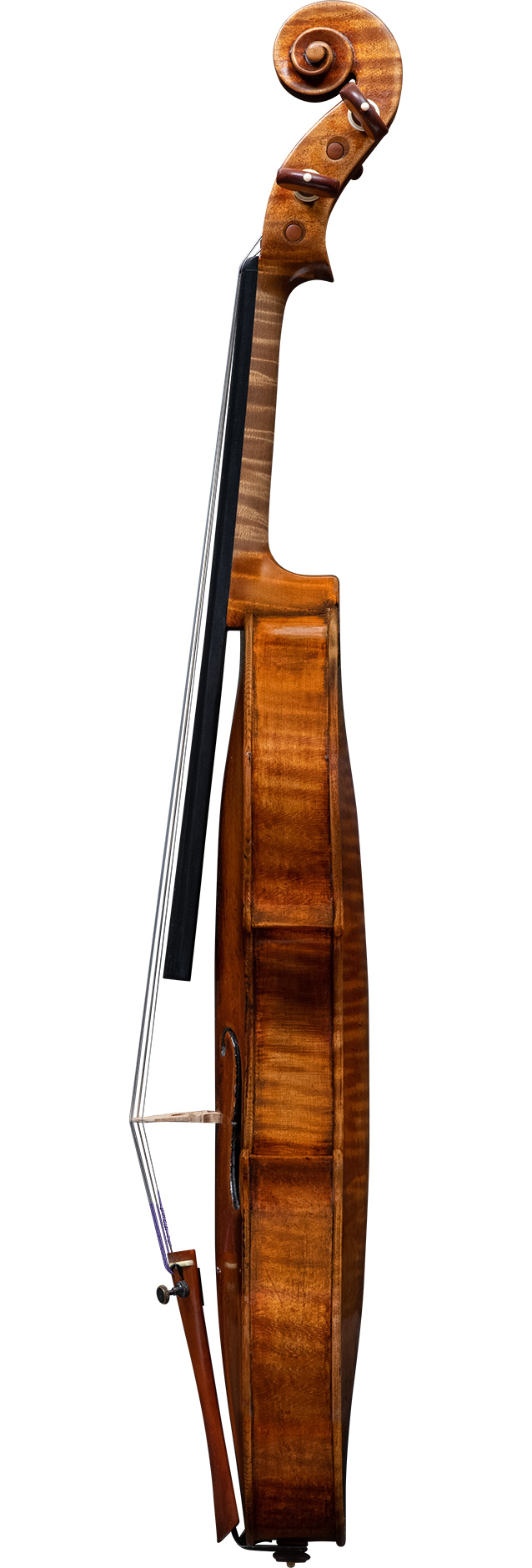
The 1687 Stradivarius known as the "Kloster Traunstein" is widely regarded as an important example from Antonio Stradivari's early maturity period. The 1680s represent a time when the master was beginning to establish his own design philosophy while building upon the traditional style of his teacher, Nicolò Amati — a decade during which Stradivari's artistic voice was clearly gaining its distinctive character. This instrument stands as a precious testament to that transitional era.
The year 1687 marks a period in which Stradivari, while drawing upon the elegant outlines and elevated arching of the Amati tradition, had already begun pursuing greater structural strength and acoustic projection. The design of this instrument retains a strong sense of the refined, balanced aesthetic of the Amati school, yet one can simultaneously perceive a confident vigor that foreshadows later developments. The combination of tension and refinement found in his early works forms the creative foundation that would eventually lead to the celebrated Golden Period.
The name "Kloster Traunstein" is said to derive from an early historical owner and has been associated with a religious institution in Europe. Passed through multiple owners over the centuries, the instrument has been preserved with professional care and attention up to the present day.
Notably, this instrument was owned by the New Jersey Symphony Orchestra from approximately 2003 to 2007. As part of the orchestra's collection, it was actively used in performance — a fact that adds a modern layer to its historical significance. Its life as a working instrument, rather than merely a preserved artifact, enriches its legacy.
Acoustically, this violin is characterized by a soft, warm tone and clear articulation. Particularly for chamber music and pre-Classical repertoire, its transparency and well-balanced timbre have earned high praise. The delicate nuance typical of early Stradivari, combined with a resilient core that hints at later developments, represents one of the instrument's greatest charms.
The 1687 "Kloster Traunstein" is a historical example that clearly demonstrates the process by which the master established his own style. Possessing the elegance and structural clarity unique to early works, it remains an important witness to the origins of Stradivari's creative vision.